The AVS Journal
Drone Videography: Build a Property Story with Movement
A drone property video needs a sequence that introduces the home, explains its setting and finishes with a clear destination for the viewer. Plan around those jobs before choosing individual movements or asking for the longest possible film.
Identify the main subject in the opening
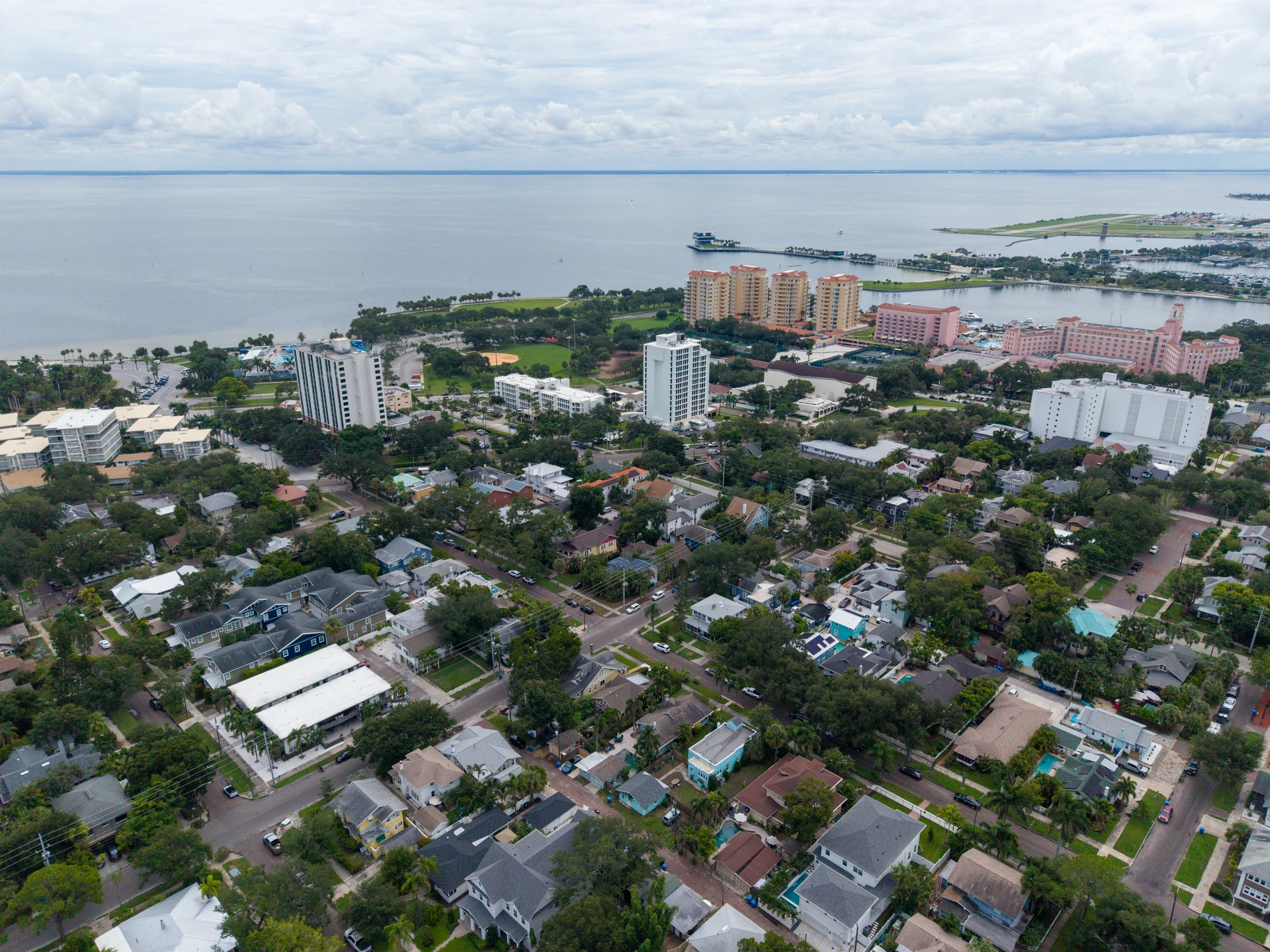
The first sequence should make the property recognizable. A distant landscape can establish atmosphere, but viewers need to understand which home the film concerns. Give AVS a concise priority list: perhaps the waterfront relationship, outdoor living area or arrangement of separate buildings. Choose one main idea rather than asking every shot to explain everything.
Give each movement a reason
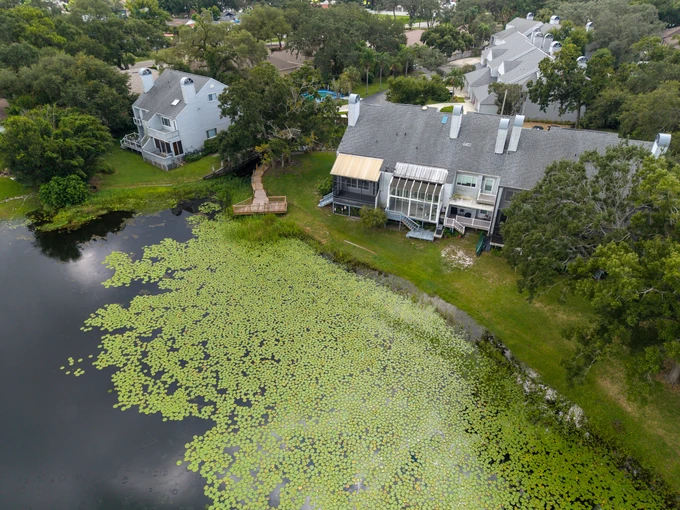
Movement can reveal a hidden terrace, connect the driveway to the house or show how a pool sits behind the building. It becomes less useful when it circles the same feature repeatedly without adding information. Discuss the desired relationships and let the operator choose feasible capture methods around the actual site and conditions.
Plan the edit and destination together
State whether the film will appear on a property page, in a presentation or on a vertical social feed. Those uses affect composition, pacing and text placement. Confirm whether aerial-only coverage is sufficient or whether interior footage is needed. Aerial video can introduce the property effectively without pretending to provide a complete interior tour.
Example: lead with the outdoor layout
For an illustrative pool home, begin with a recognizable building view, show the connection to the rear terrace and finish on the outdoor setting. Ground footage can then explain the seating area if it is included in the project. The sequence follows a question a buyer might actually have: how does the home connect to this space?
A drone video planning checklist
- Define the film's main property feature.
- Identify the viewing destination and orientation.
- List the relationships the sequence should explain.
- Confirm scope, delivery timing and the intended final call to action.
Frequently asked questions
Is a longer aerial film more effective?
Not automatically. Keep footage that adds useful information or supports the sequence. Repetition can make a short, clear property story harder to follow.
Can I request a particular flight movement?
You can share a reference and explain its purpose. The operator decides what is feasible for the location, conditions and responsible operation.