The AVS Journal
Real Estate Photography: How to Prepare a Home for Its Best First Impression
Prepare for real estate photography by clearing distractions, finishing cleaning and making every included space accessible before the appointment. A short property brief is just as useful as a tidy room: it tells the photographer what the gallery needs to explain.
Choose the three things a buyer should understand
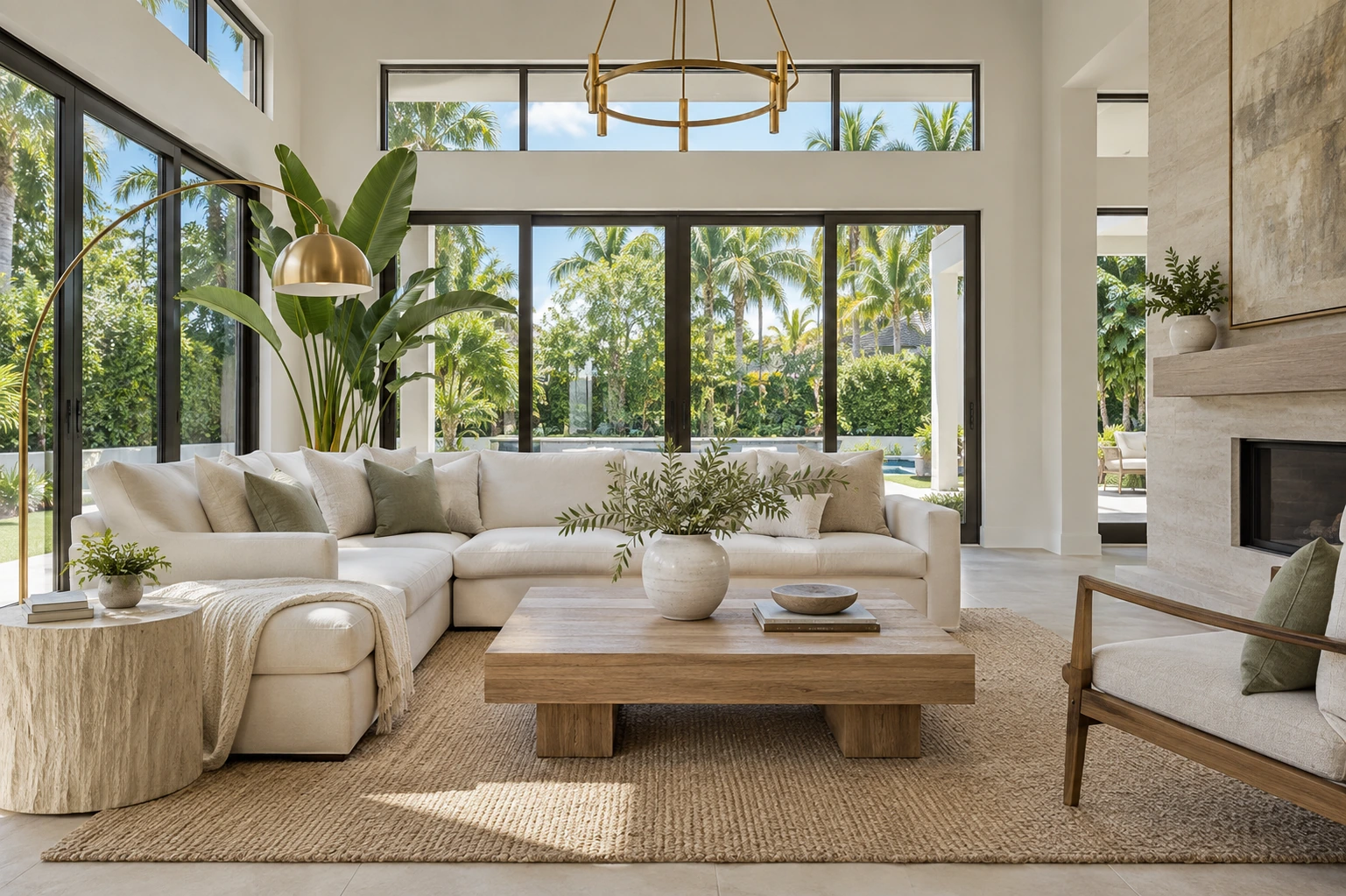
Write down the property's strongest factual features and where they can be seen. An open kitchen, a shaded lanai and a separate guest room require different viewpoints. Give AVS this list with the address, approximate size and access instructions. Mention unfinished work before the appointment so the plan reflects the condition that will actually be photographed.
Work from fixed surfaces to movable objects
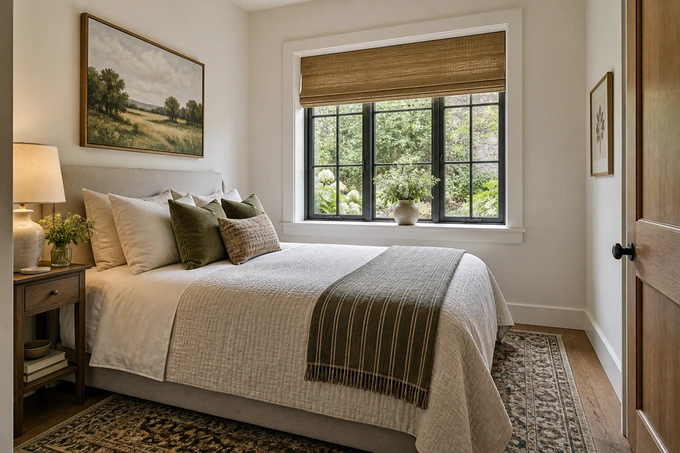
Clean windows, mirrors, floors and shower glass first. Then remove packaging, paperwork, bins, charging cables and surplus countertop appliances. Straighten bedding and curtains after cleaning so they stay arranged. Leave enough furniture to explain the room's use. An entirely cleared dining table can work well; an empty room is not necessary for every occupied listing.
Check the view through each doorway
Stand where a visitor would enter and look beyond the first room. A hallway basket can appear in a living-room photograph, and kitchen clutter can be visible behind the dining area. Choose a storage area that is outside the agreed capture scope rather than moving belongings repeatedly. Secure pets with their owner and keep people away from mirrors and glass doors.
Prepare the exterior before the light changes
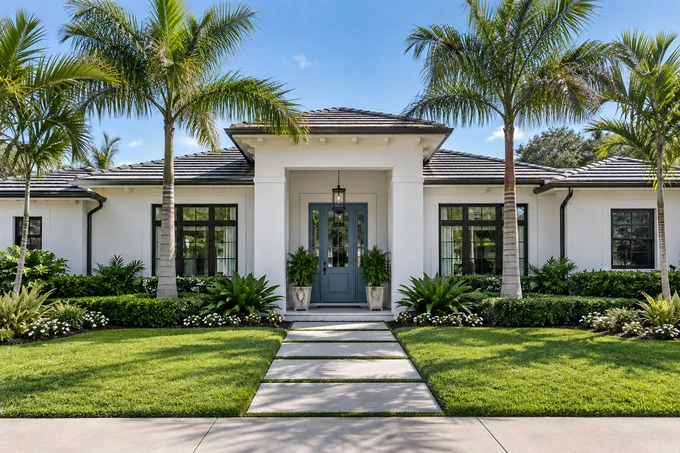
Arrange outdoor seating, close garage doors and move vehicles where permitted. Put away hoses and portable pool equipment when safe to do so. Test lights without changing unfamiliar electrical or pool controls. In a Tampa Bay home with a screened lanai, clean the glass and organize the seating on both sides of the doorway so the indoor-outdoor connection is readable.
Example: prioritize a home that is still occupied
Imagine an owner who has one evening to prepare. Finish the kitchen, main living room, primary bedroom and principal exterior first; then complete the remaining included rooms. Keep one agreed storage room closed and disclose that exclusion. This is a planning example, not a promise that omitted rooms can always be added later without another visit.
Before AVS arrives
- Confirm entry, gate and parking instructions.
- Complete cleaning and put away private documents.
- List important features and excluded spaces.
- Check lights, arrange pets and appoint one decision-maker.
Frequently asked questions
Should all personal belongings be removed?
Remove items that distract from the rooms or reveal information you do not want online. Some furniture, books and restrained decor can remain. The aim is a clear, representative space rather than a home stripped of every sign of use.
Can editing replace preparation?
Editing can address photographic presentation within the agreed scope, but it should not be assumed to repair unfinished work or conceal material property conditions. Resolve movable clutter before capture and discuss unusual requests in advance.