The AVS Journal
Music and Pacing in a Real Estate Film
Music and pacing should support the property's presentation without making the rooms harder to understand. Choose the tone, spoken-audio needs and intended channels early, and use music only under an appropriate license for the planned distribution.
Match tone to the visual story
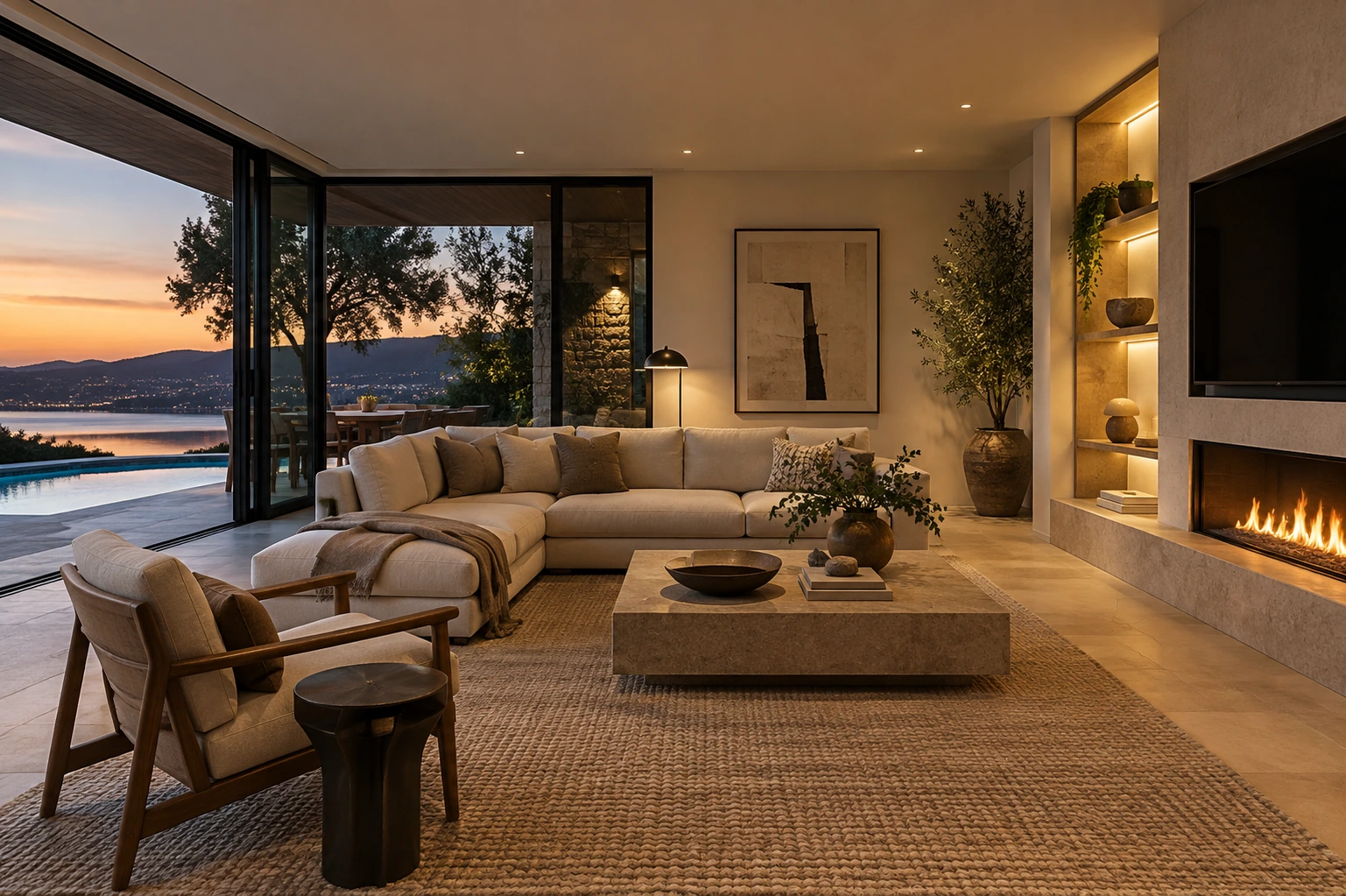
A calm architectural film and a brisk social introduction can need different energy. Share a description of the intended mood rather than assuming one popular track suits every property. The music should support the footage; a strong beat is not a reason to cut away before viewers can understand an important room or connection.
Give complex views enough time
A simple detail may be readable quickly, while an open living arrangement or exterior setting needs longer. Review the film muted to see whether the sequence remains clear. If the imagery only feels coherent when driven by music, the edit may need stronger visual relationships rather than a different soundtrack.
Confirm music use and dialogue balance
Tell AVS where the film will be distributed and whether it includes an agent voiceover or introduction. Confirm the music arrangement for those uses rather than supplying an unlicensed commercial recording. In the final review, check that spoken words remain understandable and that transitions do not produce distracting changes in perceived volume.
Example: an architectural walkthrough
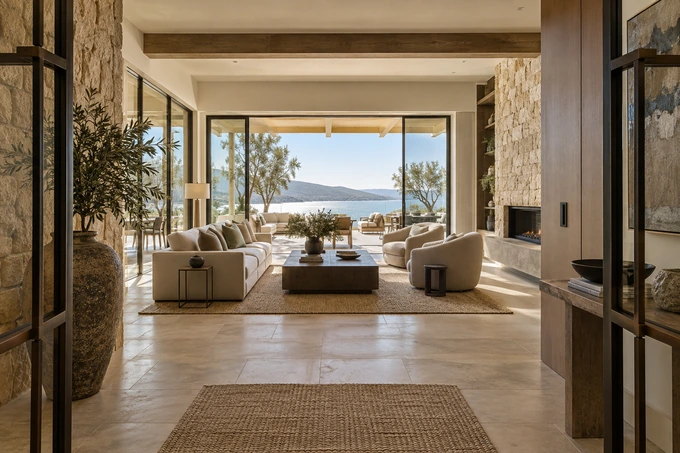
An illustrative film about a home's central courtyard might use measured pacing through connected rooms and shorter detail inserts. Music can unify that progression without dictating identical shot lengths. The viewer should still understand the courtyard relationship if the video plays silently on a phone.
Audio and pacing review
- Describe the intended tone and distribution channels.
- Allow enough time to understand important views.
- Confirm appropriate music use and any voiceover needs.
- Review the film both with sound and muted.
Frequently asked questions
Can I request a favorite commercial song?
You can discuss a musical reference, but actual use requires appropriate rights. Ask about suitable licensed alternatives rather than assuming a recording is cleared for property marketing.
Should every cut follow the beat?
No. Visual clarity and the property's story should guide the sequence. A musically timed cut is useful only when it also serves the information being shown.