The AVS Journal
Preparing a Home for Moving Camera Shots
Preparing for moving-camera video means clearing the route and the changing view, not just arranging one still composition. Walk the included spaces from several angles and check connected rooms, reflections and background activity before capture begins.
Prepare the whole visible path
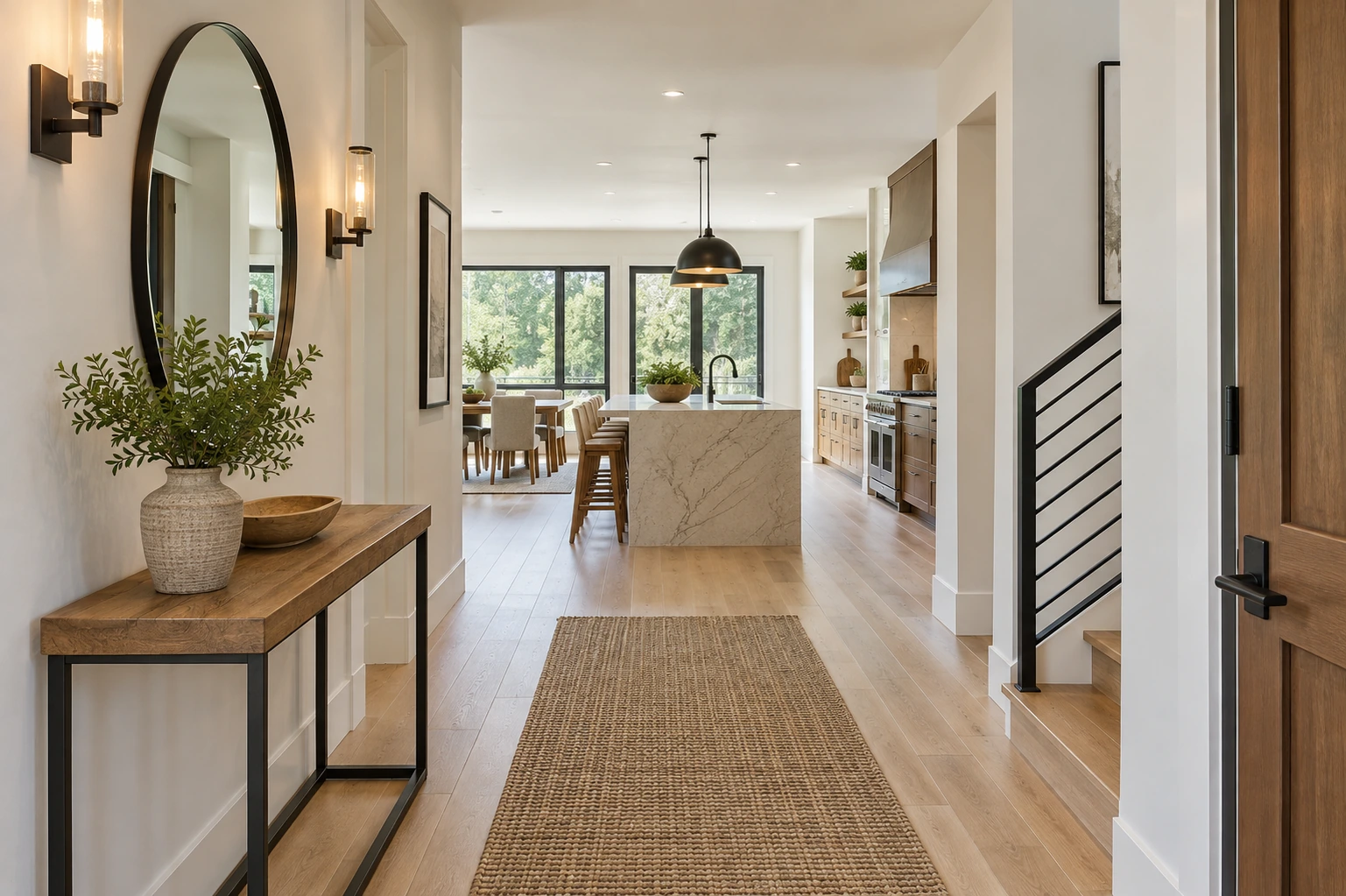
Clear cables, small floor items and movable clutter from the planned route. Check the doorway, adjoining room and area beyond the final camera position. A basket hidden behind a chair may appear as the viewpoint changes. Keep furniture arranged for believable use rather than creating an artificial route that misrepresents the space.
Check light and reflections throughout movement
A mirror or glossy surface can reveal people and equipment as the camera changes angle. Let the production team manage capture choices, but remove private documents and unnecessary objects beforehand. Test fixture controls and tell AVS about failed bulbs or inaccessible switches instead of making last-minute changes during recording.
Coordinate people, pets and background activity
Arrange where occupants will wait and nominate one contact for questions. Turn off distracting screens if appropriate and avoid tasks that create visible movement in adjacent spaces. If the film includes spoken audio, discuss potential interruptions in advance. Preparation should support the agreed capture plan without assuming every room will be recorded continuously.
Example: moving from dining into the kitchen
An illustrative shot may begin behind the dining chairs and reveal the island and patio doors. Prepare all three areas, including the view through the glass. Cleaning only the kitchen countertop leaves distractions at the beginning and end of the movement that a still photograph might not show.
Moving-camera preparation
- Walk the route and inspect changing backgrounds.
- Clear circulation without creating a misleading arrangement.
- Check reflections, screens and fixture controls.
- Coordinate occupants, pets and any spoken-audio needs.
Frequently asked questions
Can clutter be moved between shots?
Sometimes, but completing preparation first is more efficient and consistent. Repeatedly moving items can create continuity problems or reveal them in an unexpected background.
Should every door be open?
Follow the agreed capture plan. Some doors help explain connections, while others reveal excluded spaces. Discuss the intended route and prepare visible areas accordingly.