The AVS Journal
Why Slower Aerial Sequences Can Explain More
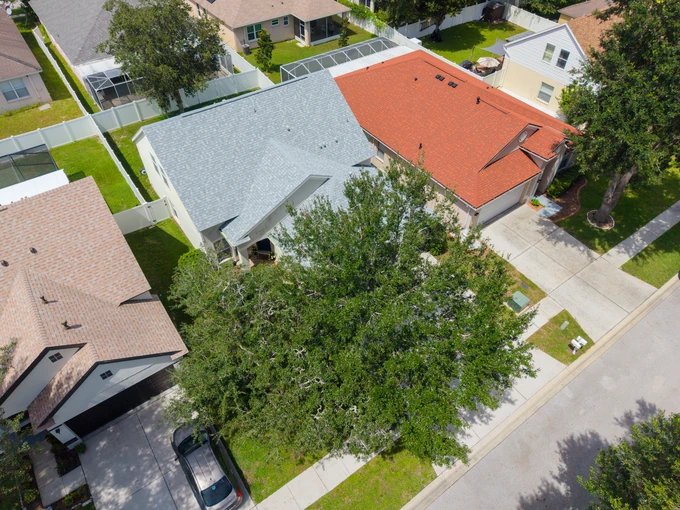
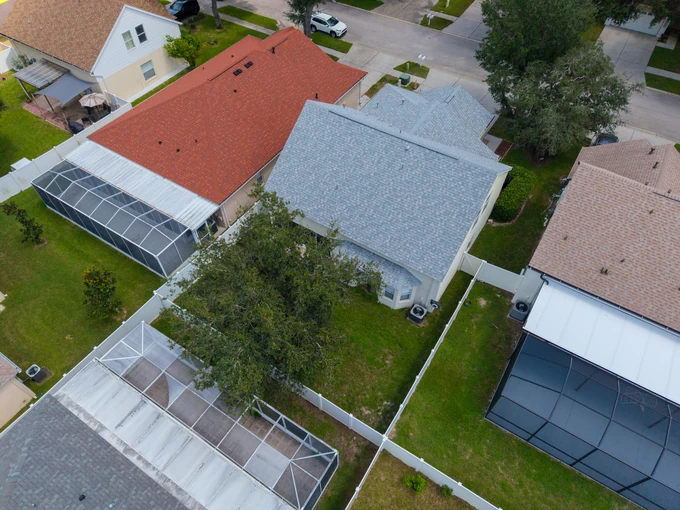
A measured aerial sequence gives viewers time to identify the property and understand a spatial relationship. The right pace depends on the information in the frame, so plan for clarity rather than assuming fast movement always makes a film more engaging.
Match pace to visual complexity
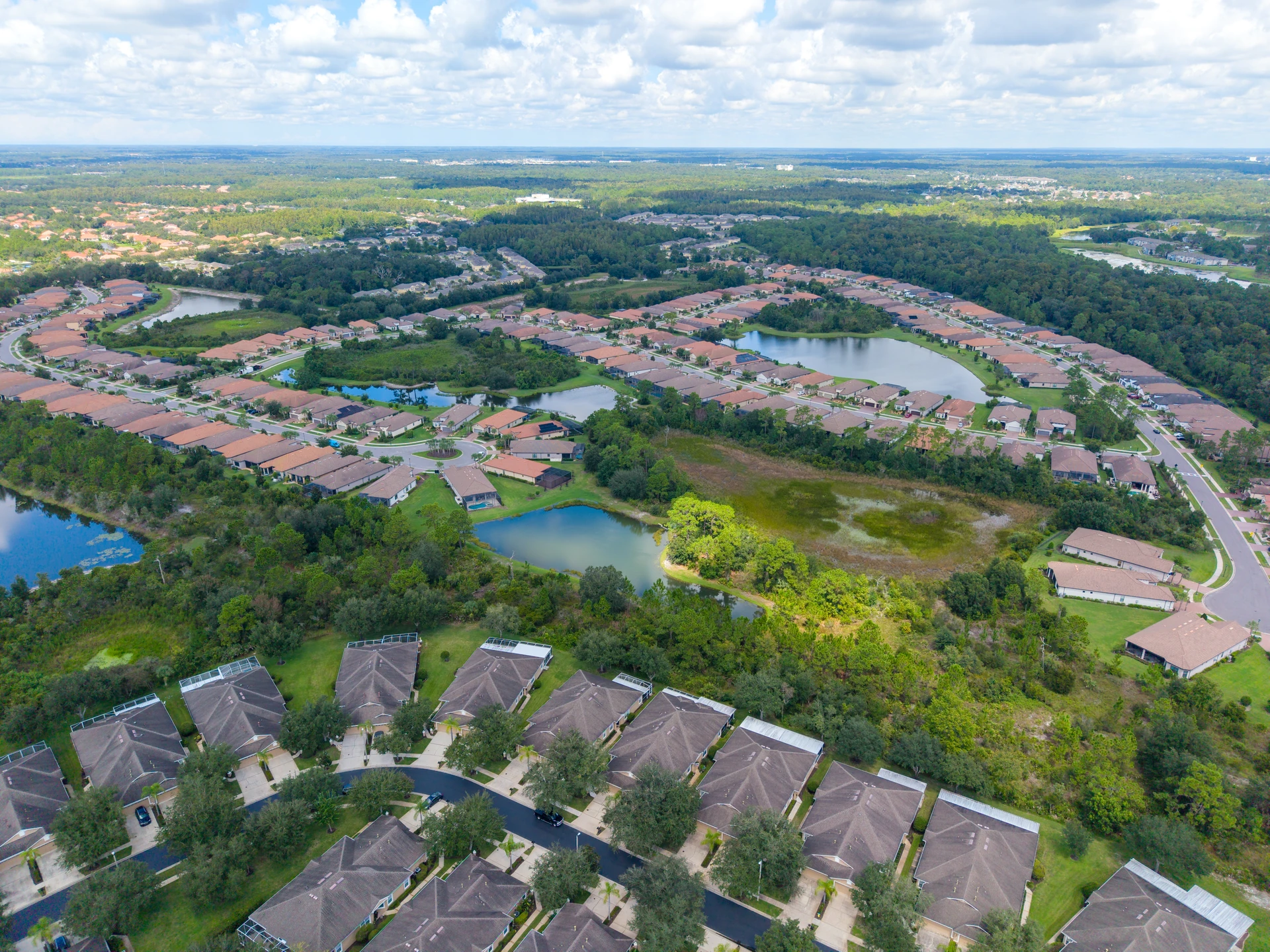
A simple exterior may be understood quickly. A property with several buildings, paths and outdoor areas takes longer to interpret. Allow enough viewing time for the important relationship to become clear, then move on. The edit should not force a buyer to pause repeatedly just to determine which structure is the residence.
Separate camera movement from editing speed
A calm capture can still be part of a concise edit. Conversely, a long clip can be difficult to follow if the viewpoint changes too rapidly. Describe the information you want the audience to notice and let AVS plan feasible capture and pacing. Avoid prescribing movement solely because it looked impressive in an unrelated film.
Remove duration that does not add information
Slower does not mean repetitive. Trim the beginning or end of a shot if nothing meaningful changes, and avoid multiple passes around the same feature. A useful review question is whether each moment helps recognition, reveals a relationship or completes the transition to the next view.
Example: reveal a detached guest building
An illustrative sequence can hold long enough to identify the main house and then reveal the separate building and path between them. Cutting away before that relationship is visible loses the point of the shot. Extending it well after the relationship is clear adds little.
Pacing review
- Can an unfamiliar viewer identify the subject?
- Is there time to understand the intended relationship?
- Does movement reveal useful information?
- Can any repeated or empty duration be removed?
Frequently asked questions
Should every aerial shot have the same duration?
No. Give complex views more time and simple transitions less. Consistency in purpose matters more than assigning an identical length to every clip.
Can pacing compensate for missing coverage?
No. If a key entrance or relationship was never shown clearly, slowing down unrelated footage will not explain it. Resolve coverage gaps before finalizing the edit.