The AVS Journal
Waterfront Listings: Make Aerial Photographs Informative
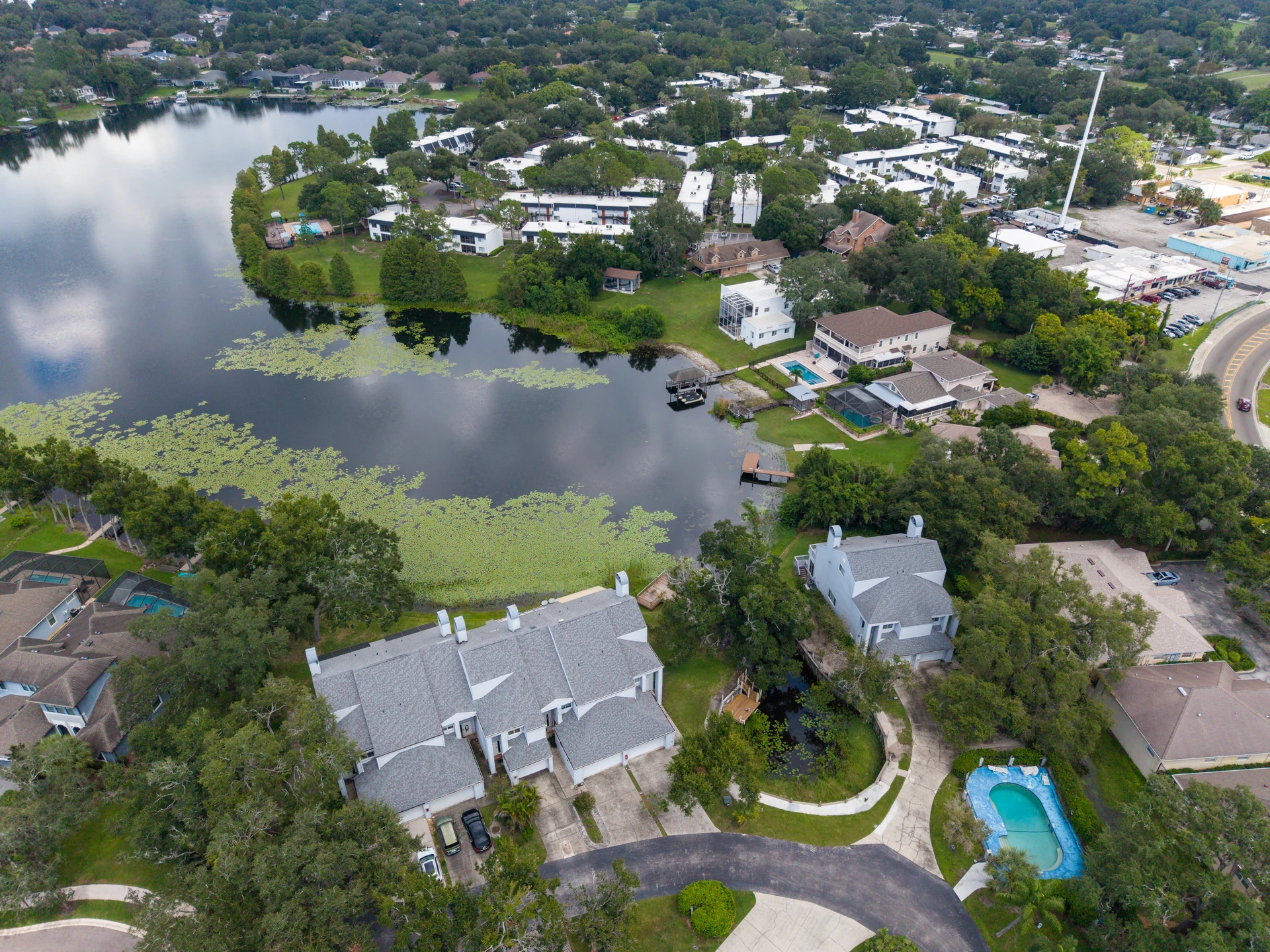
Waterfront aerial photography should show how the home, outdoor living areas and water relate to one another. The most useful brief distinguishes a view of water from a property feature such as a dock, frontage or direct access.
Define the relationship before choosing the view
Tell AVS whether the priority is the rear elevation, pool terrace, canal position or a wider shoreline setting. Share the verified listing description. A beautiful expanse of water can overwhelm the home in a photograph, so include a closer establishing view that lets a buyer recognize the actual property and its orientation.
Prepare the areas visible from above
Arrange dock furniture and patio seating, put away portable equipment where safe and check that the pool area is ready. Avoid moving boats or operating unfamiliar equipment just for photography. Coordinate with the owner about access and permitted preparation. What looks hidden behind a hedge at eye level may be prominent in an aerial frame.
Separate visual context from access claims
Do not infer navigability, water depth, dock ownership, boat clearance or access rights from imagery. Those details need independent confirmation. A caption can identify a visible canal or shoreline when verified, but it should not turn a distant feature into an unsubstantiated amenity. Review labels with the same care as the listing description.
Example: a canal home with a rear pool
An illustrative sequence could begin with a closer rear view connecting house, pool and dock, then widen to show the canal setting. Finish with ground photographs of the terrace and entry to the dock. This sequence explains the property without making unsupported claims about boating routes or travel times.
Waterfront capture checklist
- Confirm which waterfront features belong to the listing.
- Prepare visible outdoor furniture and portable equipment.
- Identify the main relationship the aerial should show.
- Verify captions about access, ownership and nearby amenities.
Frequently asked questions
Should the water take up most of the image?
Only when that composition still explains the property. Include at least one frame where the building and its relationship to the water are easy to recognize.
Can aerial photos establish flood risk?
No. Marketing photographs cannot determine flood risk, insurance requirements or elevation. Buyers and agents should use the appropriate property-specific records and professional guidance.