

Real Estate Photography: How to Prepare a Home for Its Best First Impression
A practical room-by-room preparation guide for real estate photography in Tampa Bay, from clearing surfaces to planning the shot list.
Read the guideThe AVS Journal
Explore practical guides to every AVS service, from preparing a home for photographs to planning video, virtual tours and AI media.
A practical room-by-room preparation guide for real estate photography in Tampa Bay, from clearing surfaces to planning the shot list.
Read the guide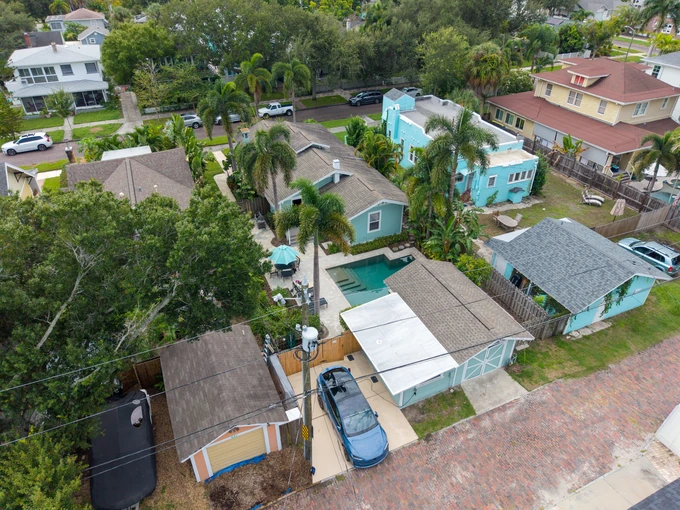
Learn which aerial photographs add useful context to a property listing and how to plan a clear, accurate drone photography brief.
Read the guide
Plan an aerial property video with a clear opening, purposeful camera movement and a useful role in your real estate marketing.
Read the guide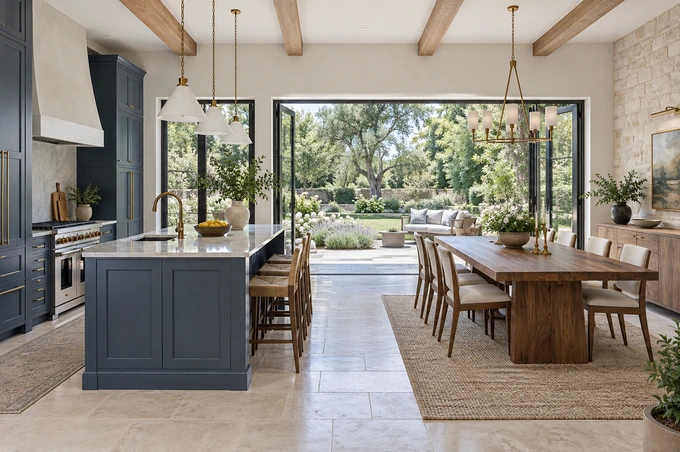
Prepare for a Zillow 3D Home tour with a room-by-room privacy check, clear access, consistent presentation and a practical tour-day checklist.
Read the guide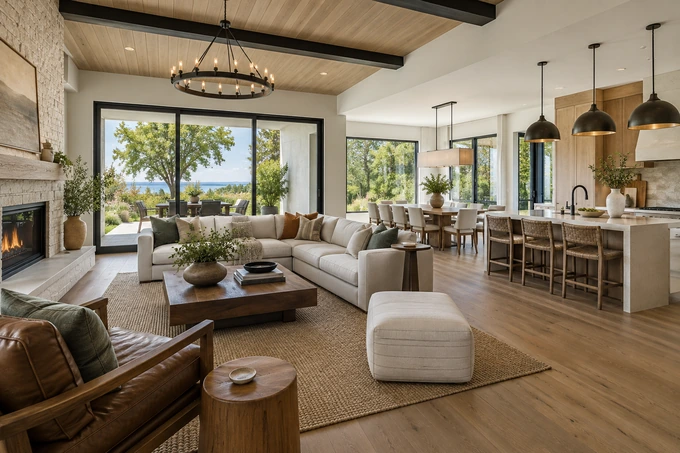
Show how rooms connect with a floor plan that complements your real estate photos, and learn what to check before publishing it.
Read the guide
A guide to planning your property film, from selecting the key features to preparing rooms and choosing the right final format.
Read the guide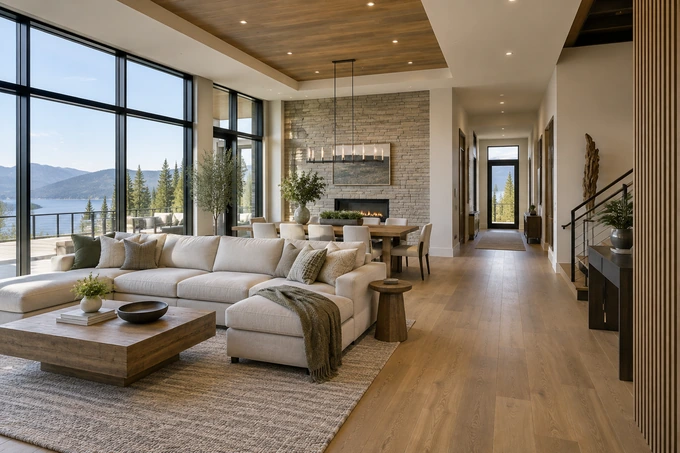
See how a Matterport tour fits into a property presentation, how to prepare for capture and what to confirm about hosting.
Read the guide
Prepare lighting, outdoor spaces and your schedule for twilight real estate photography that shows a home’s evening atmosphere.
Read the guide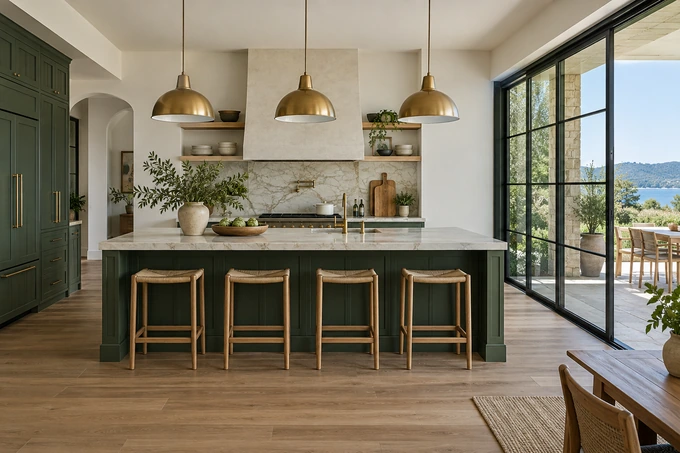
Plan a focused property reel with a strong opening, readable text and a clear next step for viewers exploring your listing.
Read the guide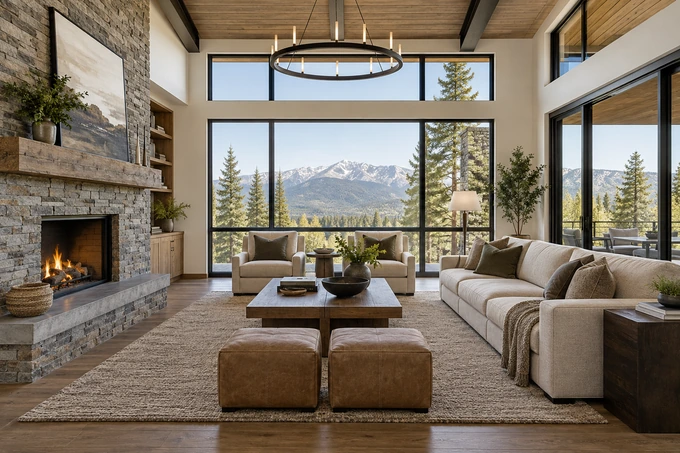
Compare AVS AI Property Reels and AI B-Roll Clips, prepare a clear creative brief and review generated property content for accuracy.
Read the guide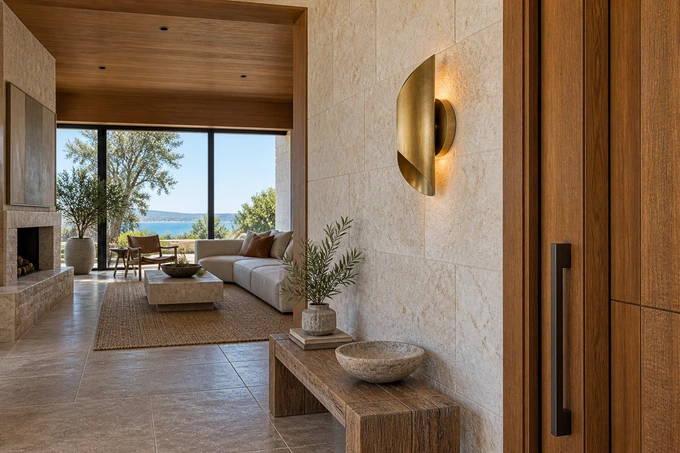
B-roll is supporting visual material within a larger presentation.
Read the guide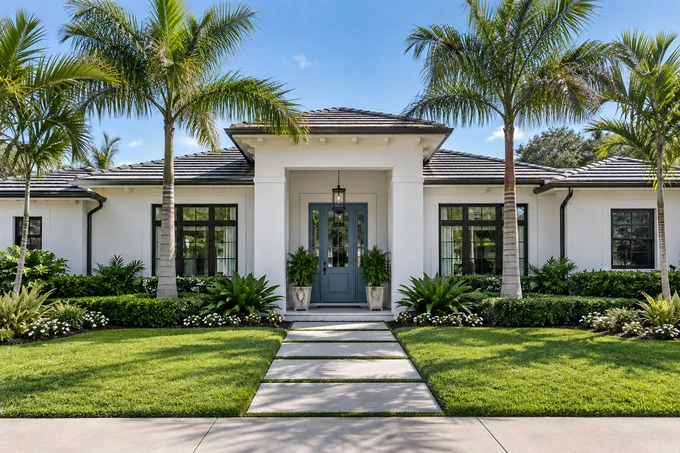
The opening photograph should make the property recognizable and give the viewer a reason to explore.
Read the guide
A waterfront presentation needs more than a large expanse of blue in the frame.
Read the guide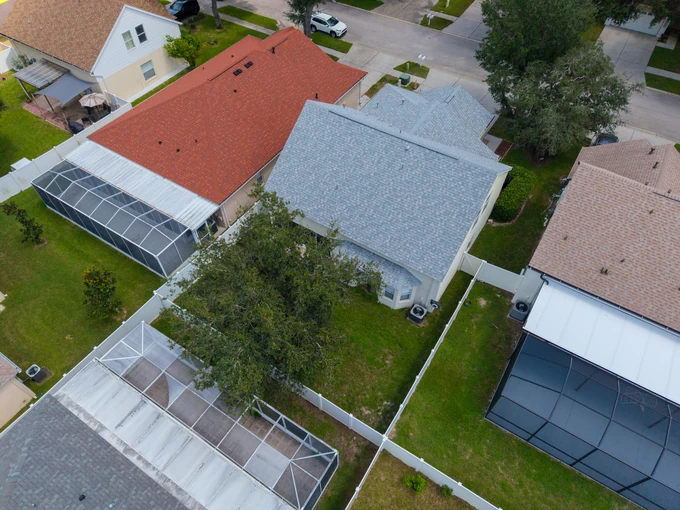
An aerial opening should establish where to look.
Read the guide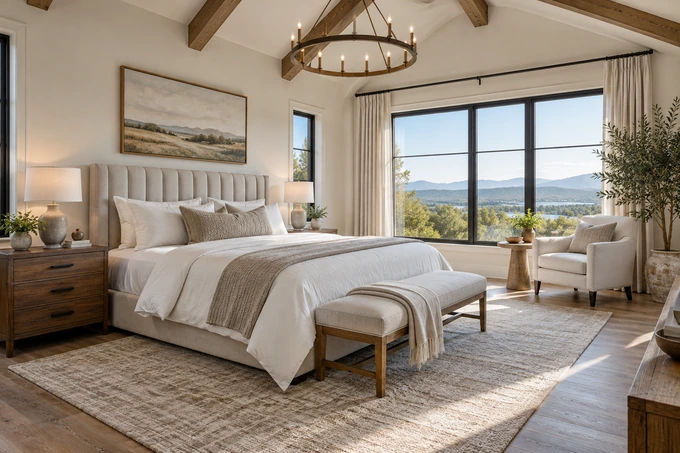
A virtual-tour viewpoint can reveal areas that a conventional doorway photograph does not.
Read the guide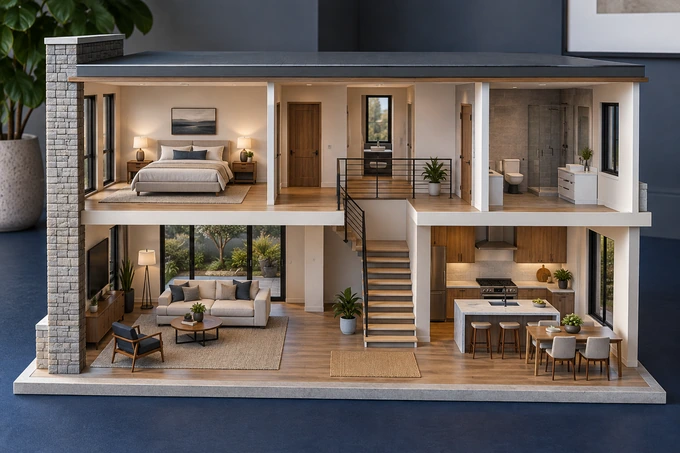
A multi-level property needs a clear way to distinguish its floors.
Read the guide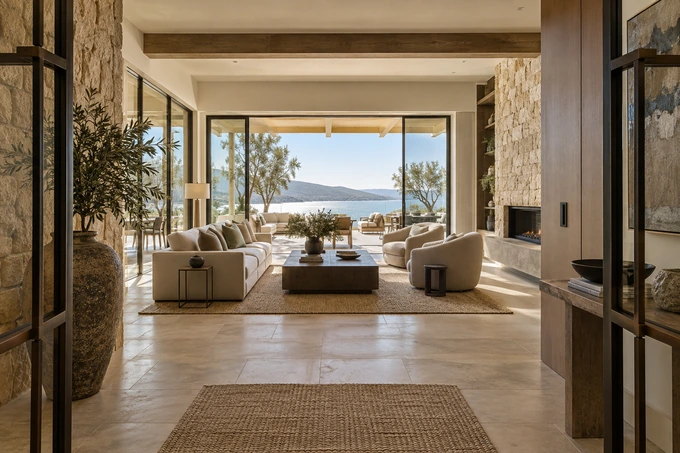
A film becomes easier to follow when it has one clear thread.
Read the guide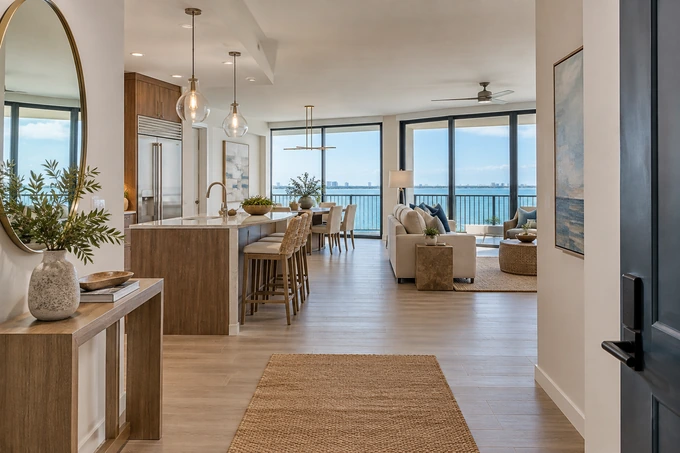
A relocating buyer may want to revisit a home online after an initial conversation.
Read the guide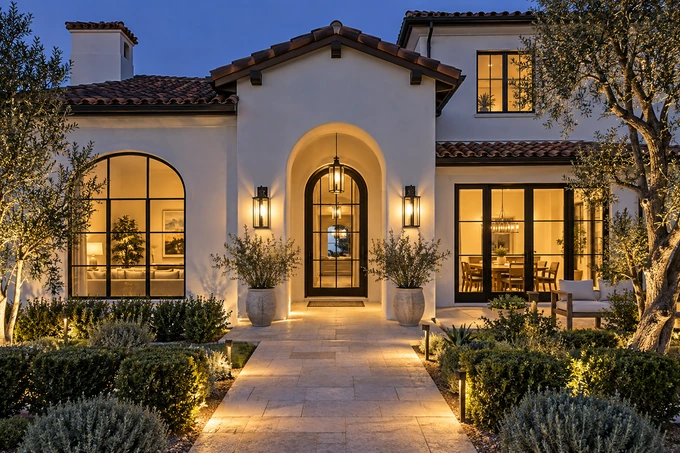
Test porch fixtures, landscape lights and other visible lighting before the appointment.
Read the guide
Open with a recognizable feature of the home rather than a long logo animation.
Read the guide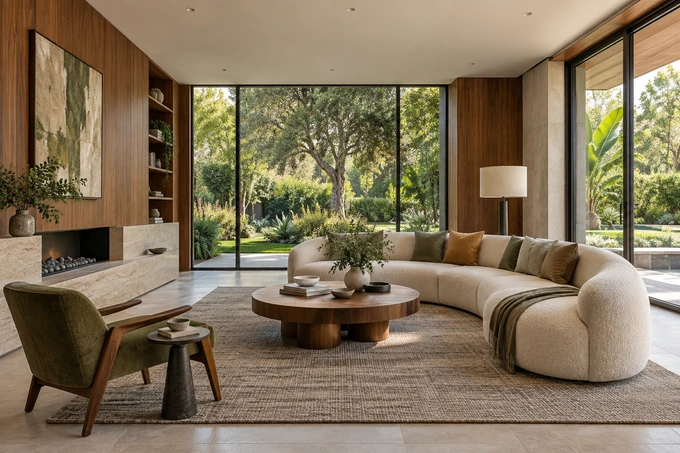
Good inputs make the brief easier to understand.
Read the guide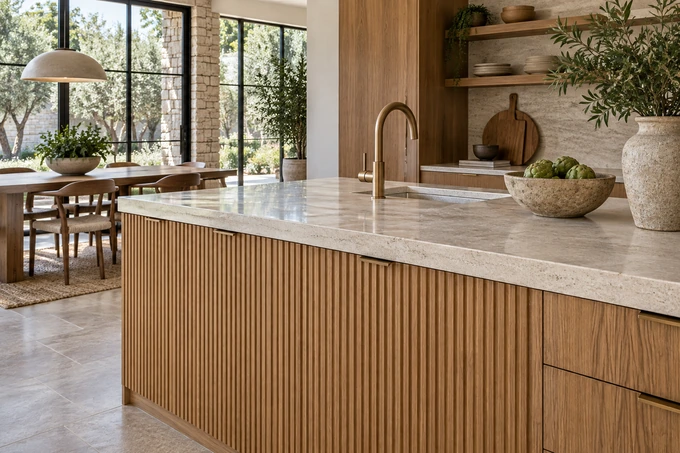
A finish, fixture or architectural feature can support a property story when viewers understand where it belongs.
Read the guide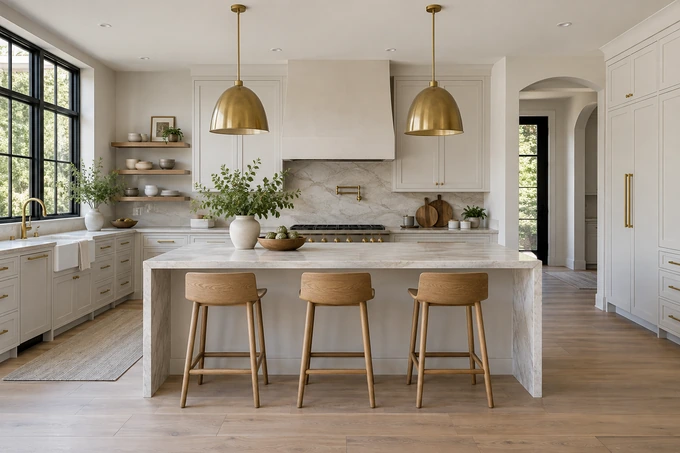
A kitchen contains many small objects that compete for attention in a photograph.
Read the guide
A wider lot can be difficult to understand from a conventional exterior photograph, but an aerial image can also become too broad.
Read the guide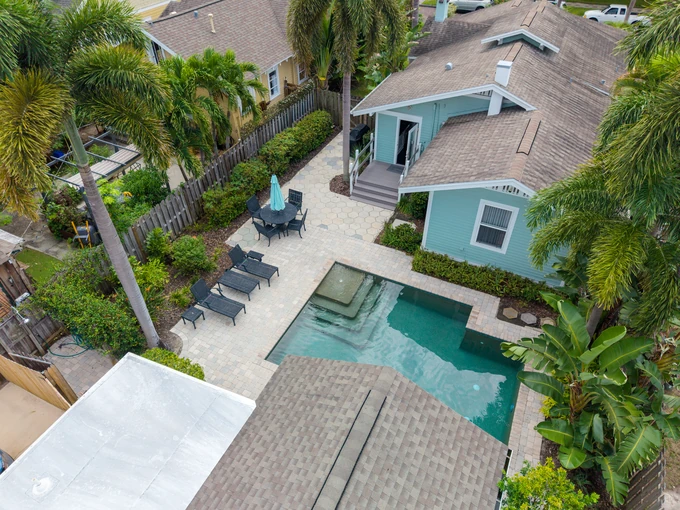
A moving aerial sequence can connect a terrace, pool and main building in a way that separate stills may not.
Read the guide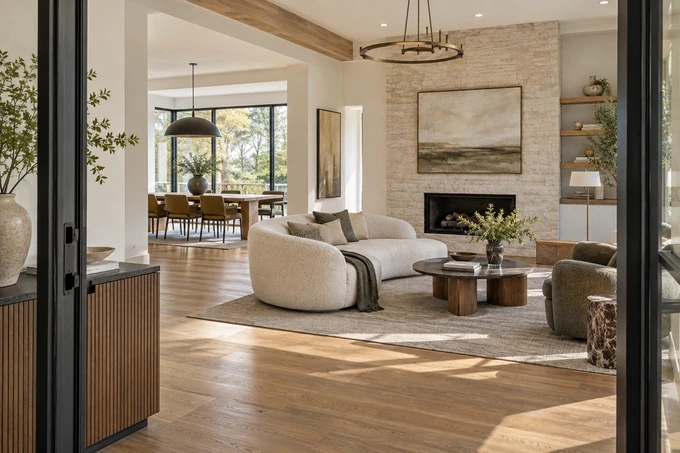
A Zillow 3D Home tour lets someone explore interactively, while a cinematic film presents a chosen sequence.
Read the guide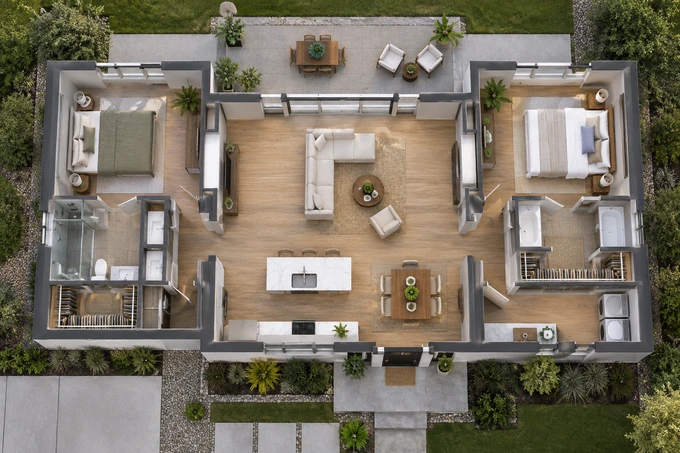
A plan can help explain where bedrooms sit in relation to living areas and one another.
Read the guide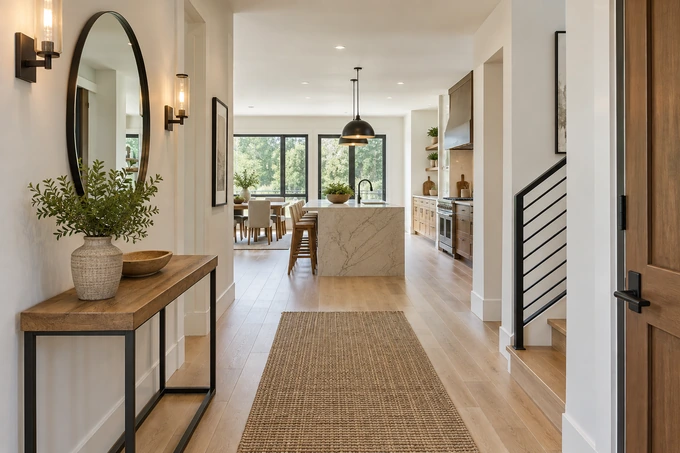
Video can reveal the space between the positions used for still photography.
Read the guide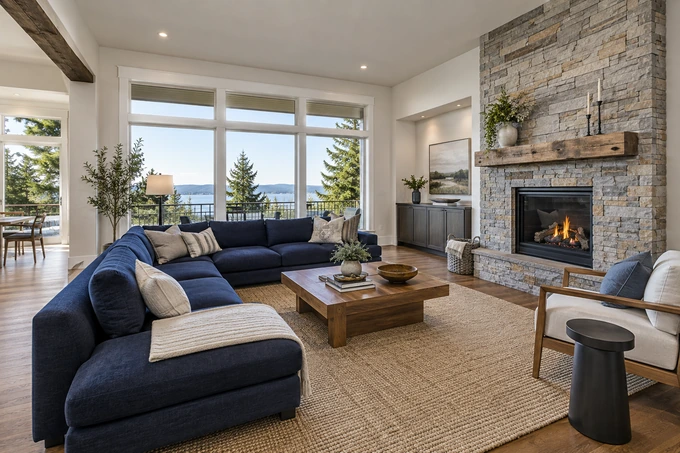
Interactive capture can show much more of a room than a single listing photograph.
Read the guide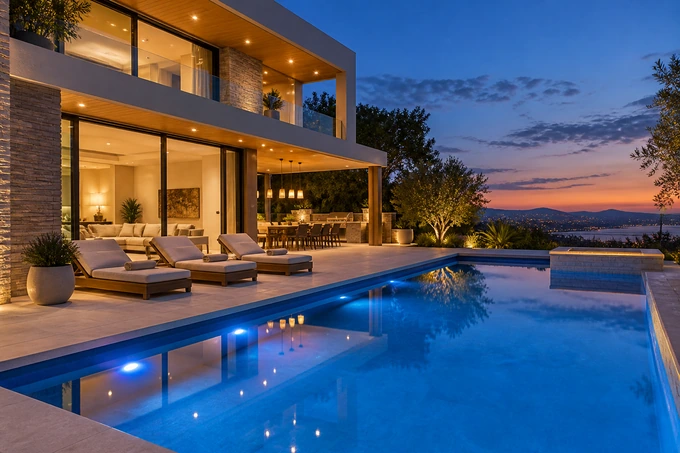
Arrange outdoor furniture, tidy cushions and put away removable maintenance equipment where safe.
Read the guide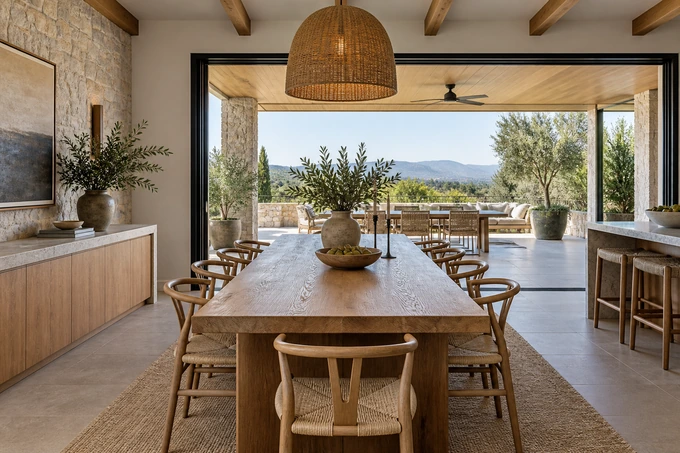
A short presentation can concentrate on one strong aspect of the home, such as an indoor-outdoor connection or a distinctive kitchen.
Read the guide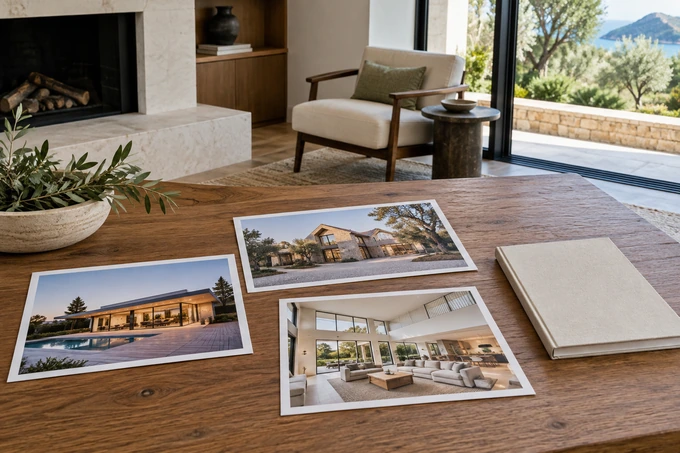
Explain whether the reel will introduce a listing, support an agent presentation or illustrate a separately labeled concept.
Read the guide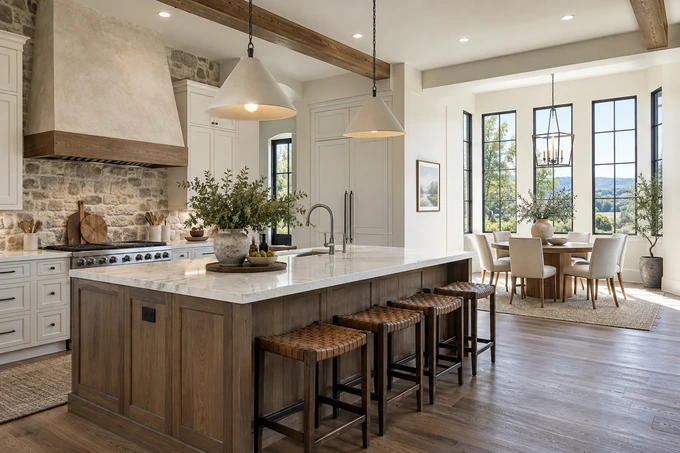
Supporting visuals should relate to what the speaker is saying.
Read the guide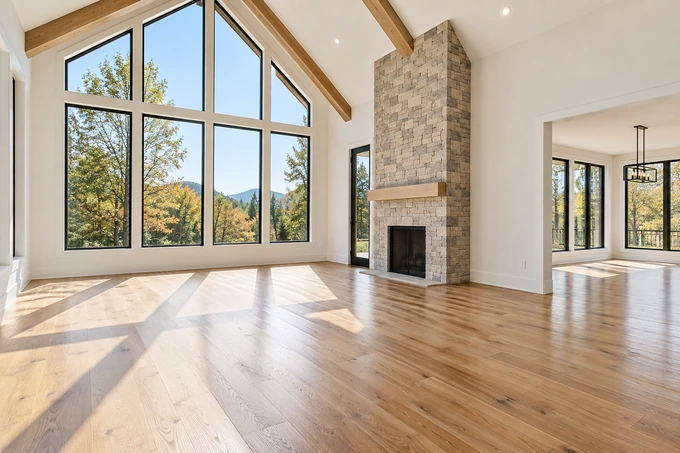
An empty room can still look unfinished in photographs.
Read the guide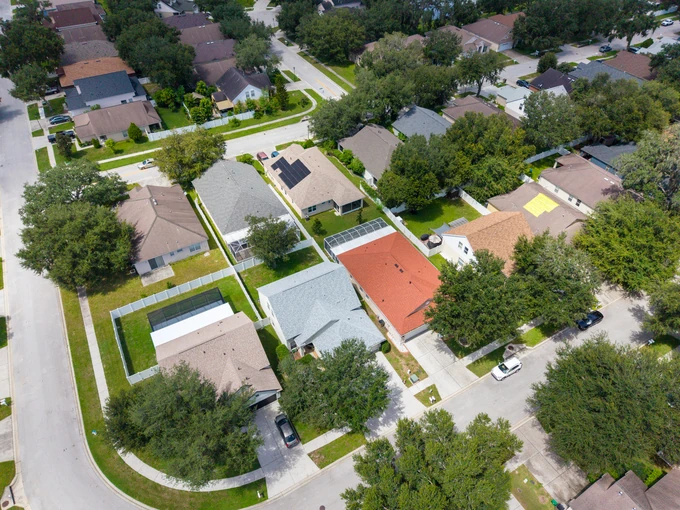
The right set depends on what the property needs to explain.
Read the guide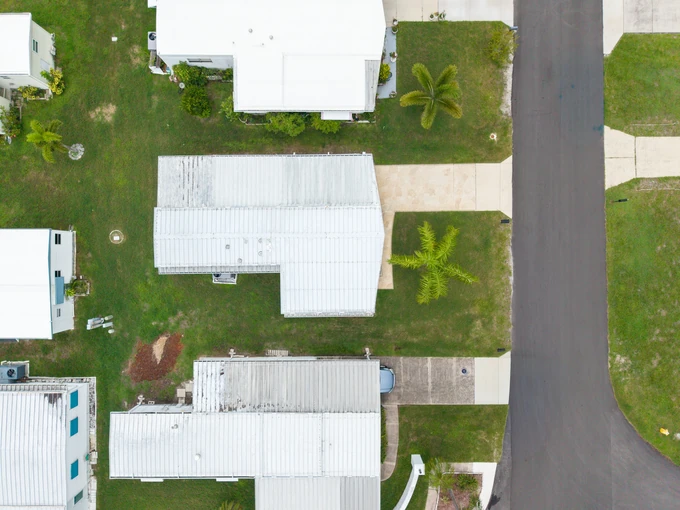
A website film and a phone-first social post ask different things of the frame.
Read the guide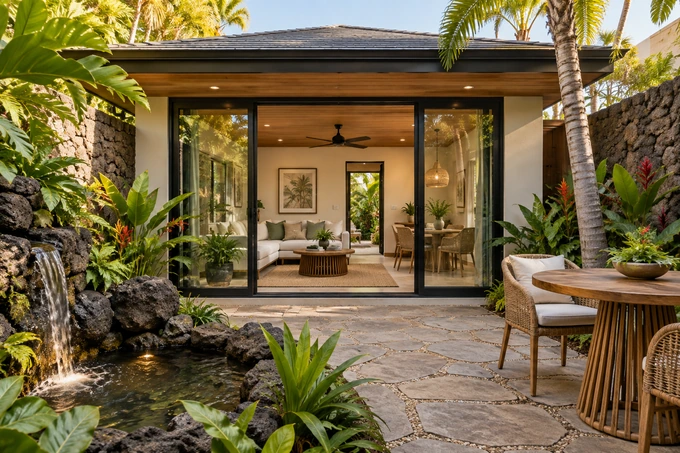
A guest suite or separate living area can be difficult to understand without context.
Read the guide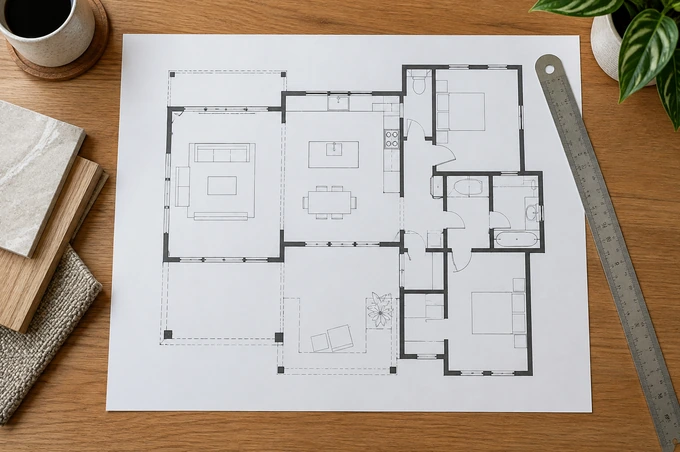
A space called a den in one place and a bedroom in another can create confusion.
Read the guide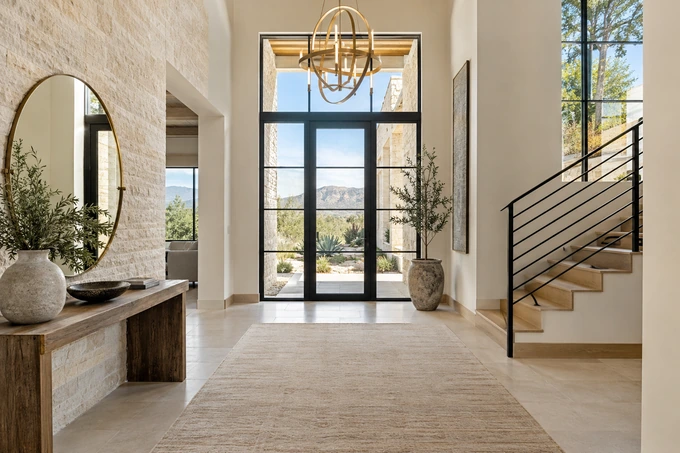
An on-camera introduction can establish who is presenting the property, but it should quickly lead to useful information.
Read the guide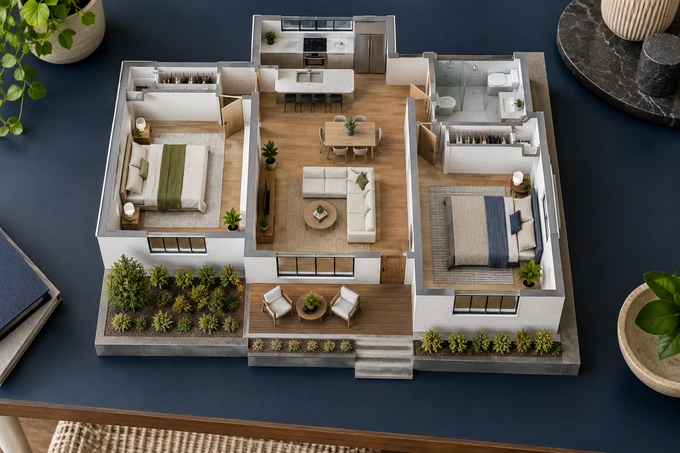
A tour is not only a set of files on your computer; its interactive experience depends on hosting.
Read the guide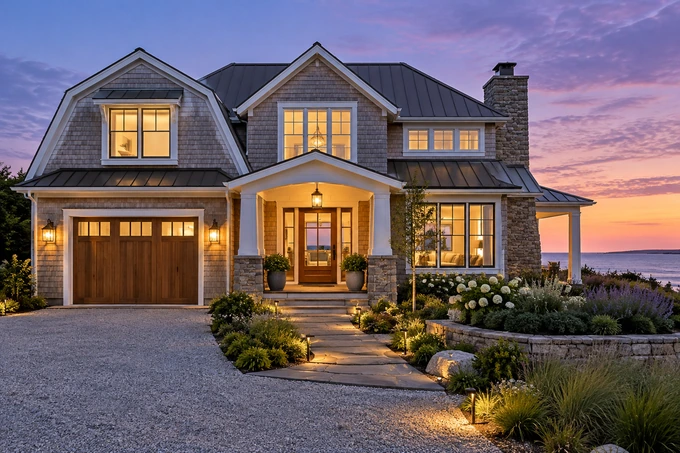
An evening frame can be distinctive, but it should still identify the property clearly.
Read the guide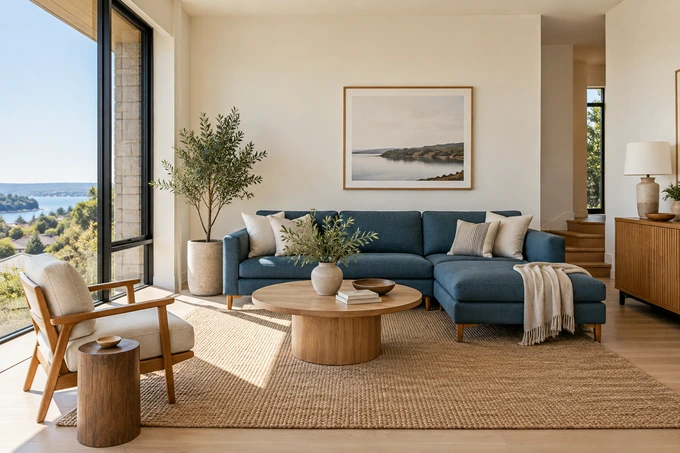
The moving image already carries much of the message.
Read the guide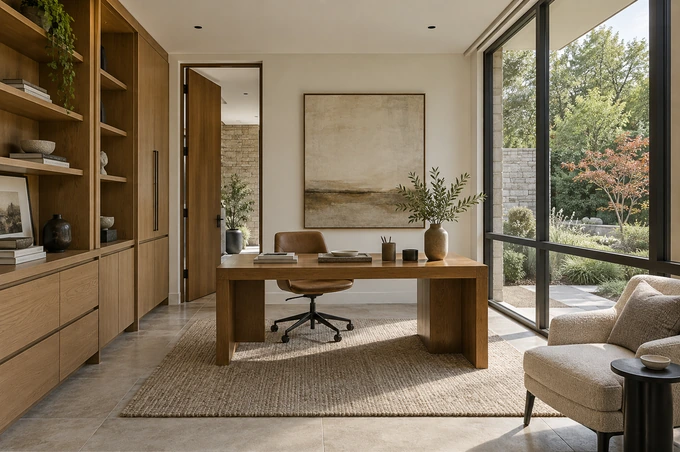
Windows, doors, railings and wall connections can reveal inconsistencies that are easy to overlook at normal viewing speed.
Read the guide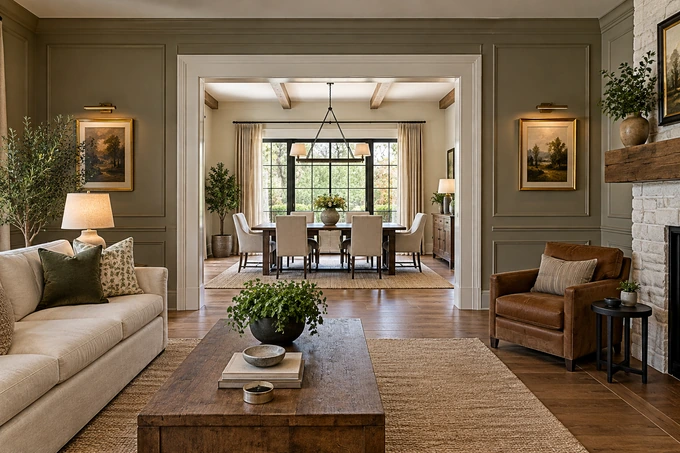
A transition can unintentionally suggest that two rooms connect directly.
Read the guide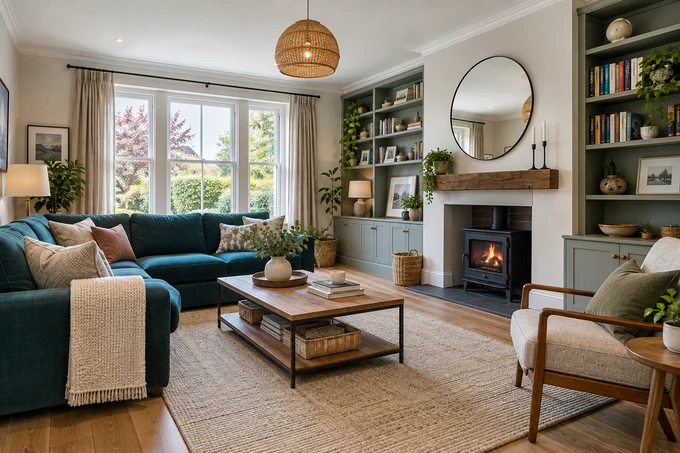
Moving clutter from room to room during a session can slow preparation and cause items to reappear in reflections.
Read the guide
In a community with similar roofs and repeated building forms, a broad aerial photograph can be ambiguous.
Read the guide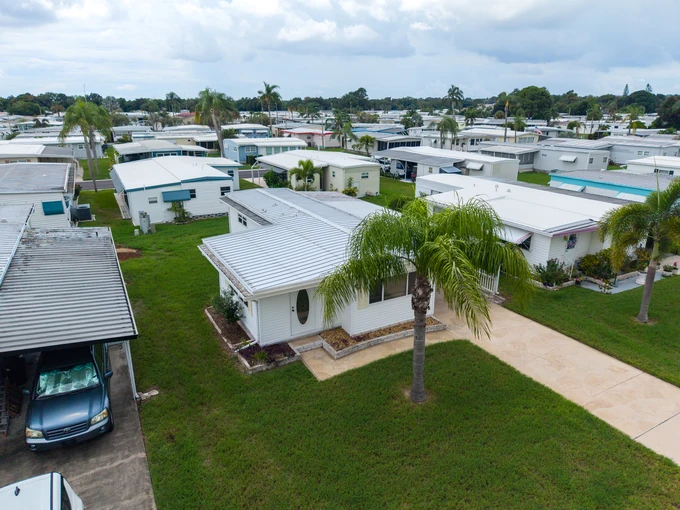
Aerial footage can establish the setting before an interior sequence begins.
Read the guide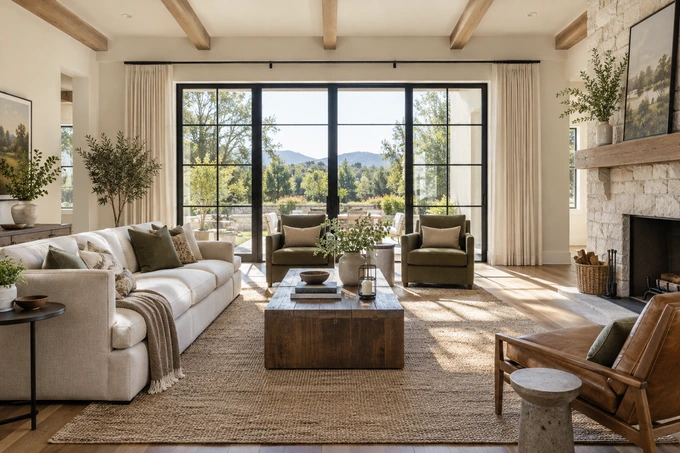
Open the tour and follow the property from its starting viewpoint.
Read the guide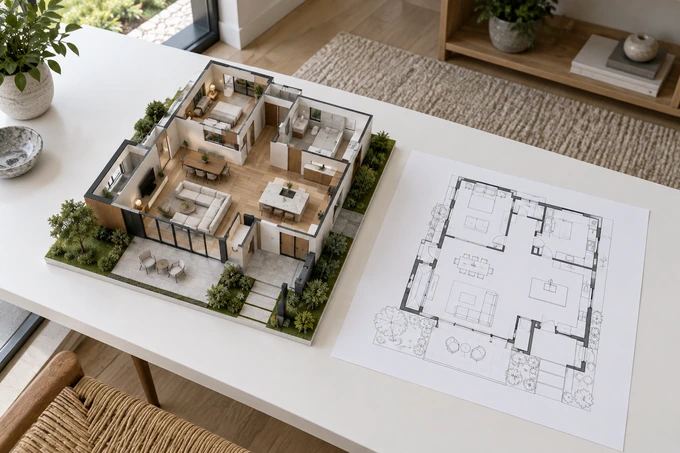
A floor plan provides an overview of how spaces connect.
Read the guide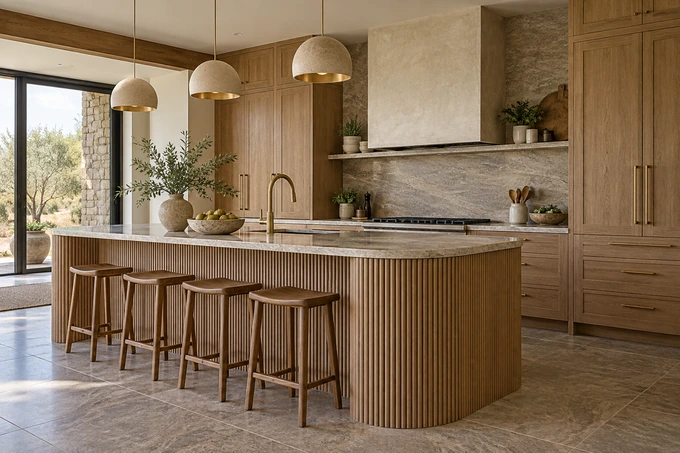
A close shot can reveal material, texture or a design decision that a broad view does not emphasize.
Read the guide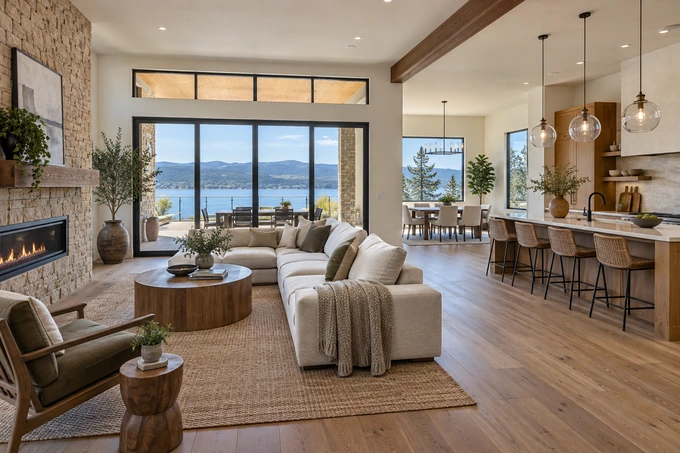
Photographs and an interactive tour show the home in different ways, but they should feel like the same property presentation.
Read the guide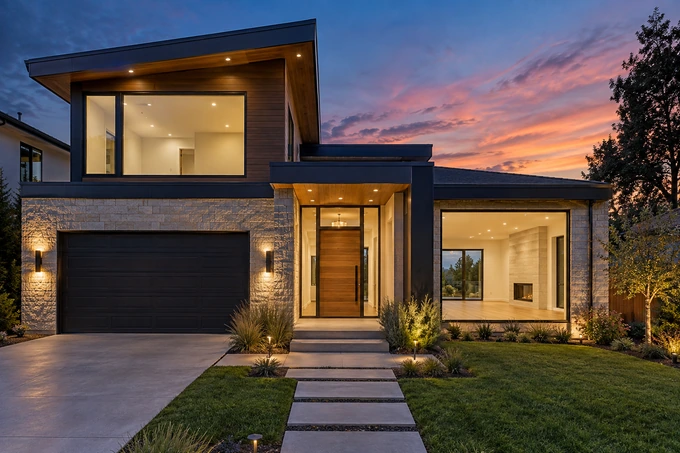
An empty home still needs working lighting and someone who can provide access.
Read the guide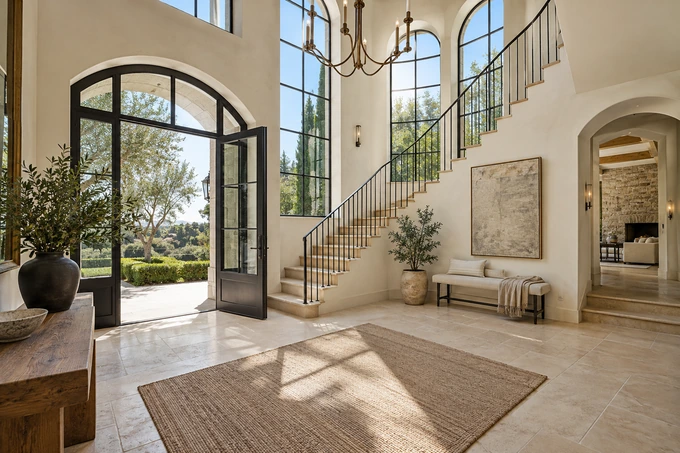
A vertical frame emphasizes a different portion of a room than a wide photograph.
Read the guide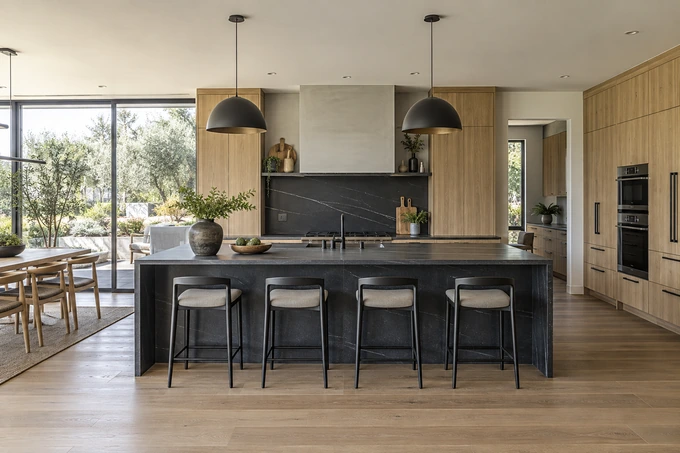
A filmed reel records planned views at the property.
Read the guide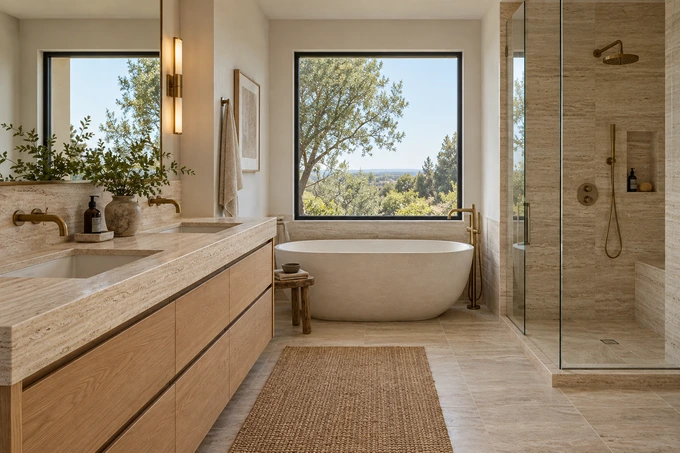
Select a clear photograph of the actual finish being discussed.
Read the guide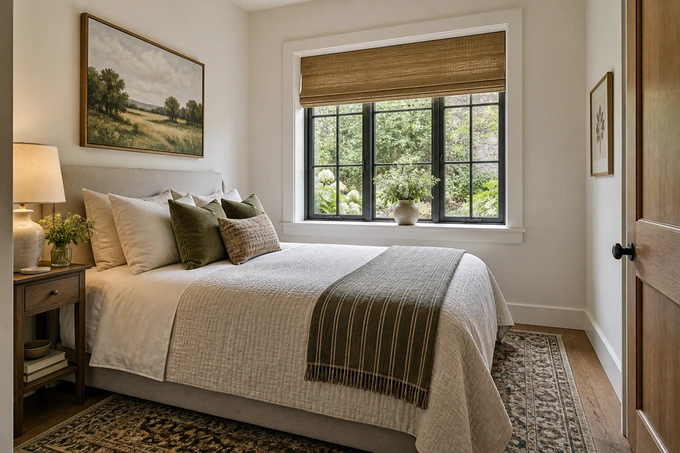
A small room does not need to appear enormous to be presented well.
Read the guide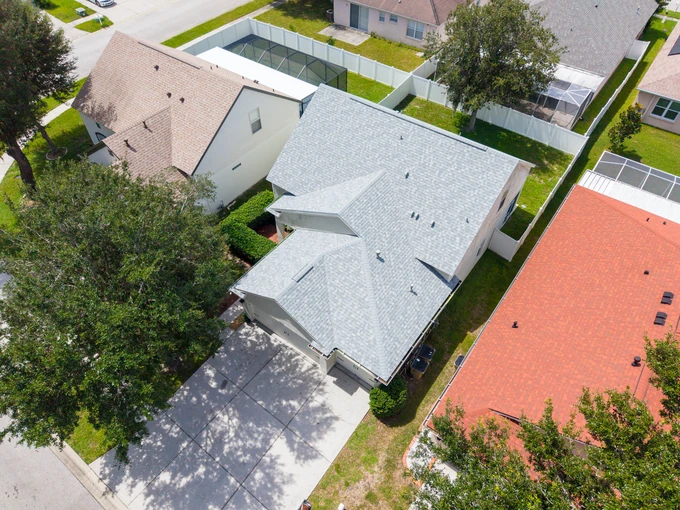
Provide the exact property address, access instructions and a contact for the appointment.
Read the guide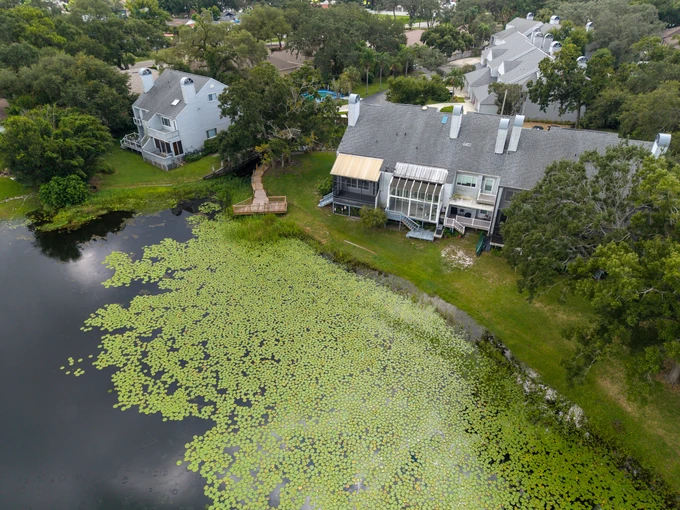
The water may be visually striking, but the subject is still the listing.
Read the guide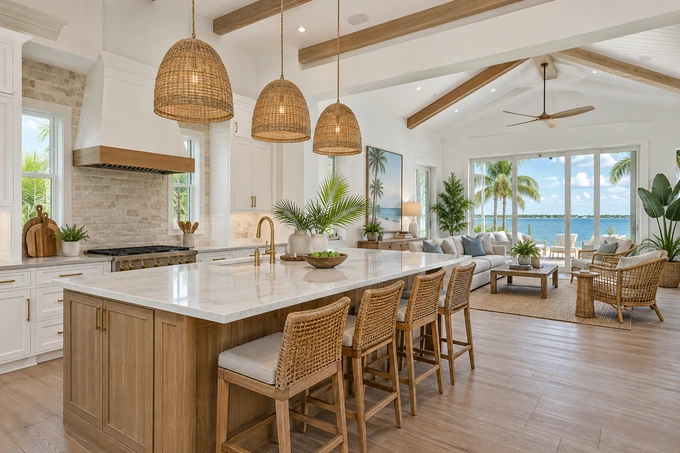
The photo gallery is often where the viewer first meets the home.
Read the guide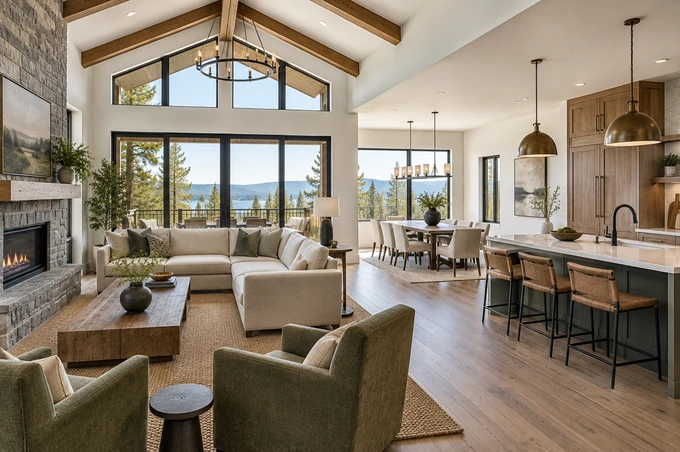
An open room can contain a kitchen, dining area and living space without full-height walls between them.
Read the guide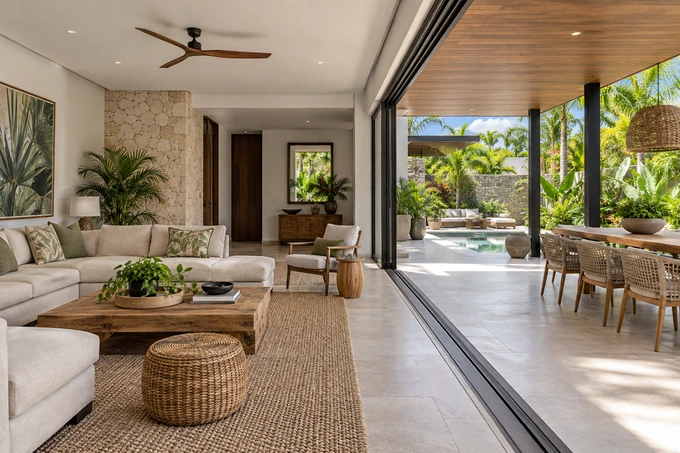
If a living room opens onto a terrace, that relationship may deserve a central place in the film.
Read the guide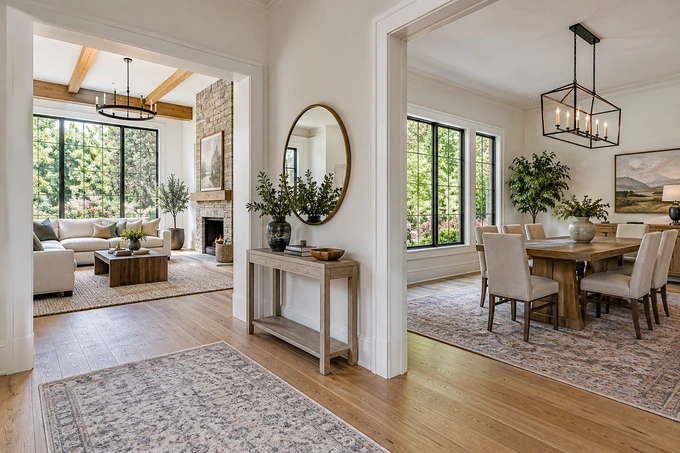
Both services provide interactive property experiences, but the right choice depends on the intended presentation and agreed deliverables.
Read the guide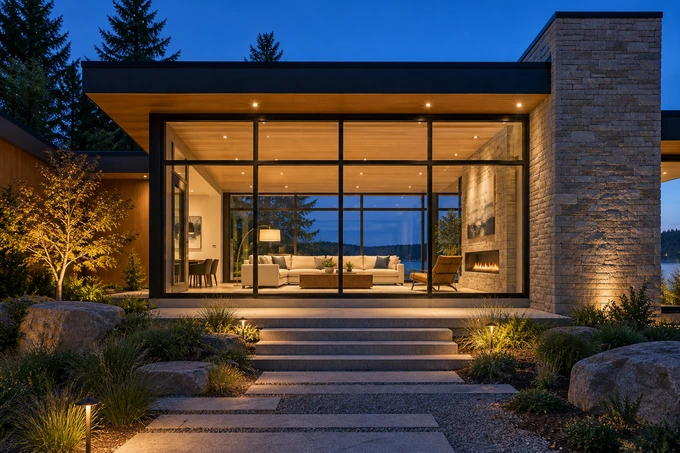
Windows can become an important part of an evening exterior composition.
Read the guide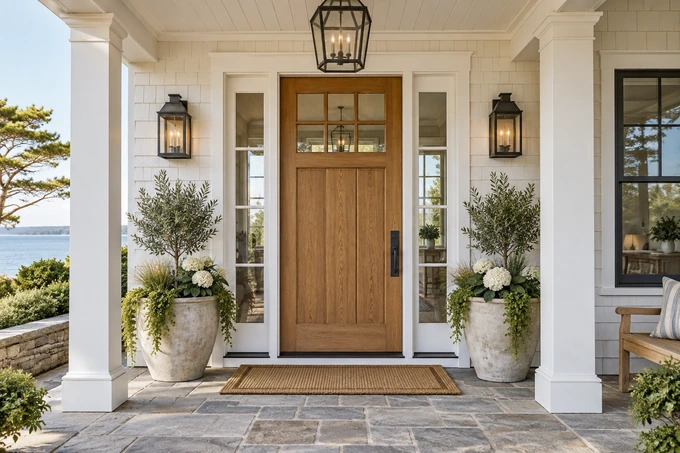
An agent can introduce the listing or explain one feature, but a short reel has limited time.
Read the guide
An important outlook should be established by current source imagery.
Read the guide
Review the current edit and name what the supporting content needs to do.
Read the guide
If the outlook from a room is central to the listing, mention it before the session.
Read the guide
A setting image should help explain the listing’s location, not merely show a recognizable landmark somewhere in the distance.
Read the guide
Movement should give people time to understand the subject.
Read the guide
Before capture, remove paperwork, calendars, medication and other items you do not want in the public presentation.
Read the guide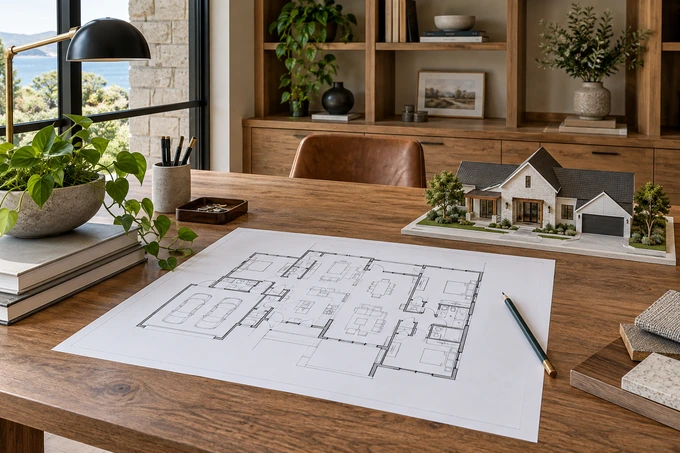
Compare the plan with the actual home in a logical sequence.
Read the guide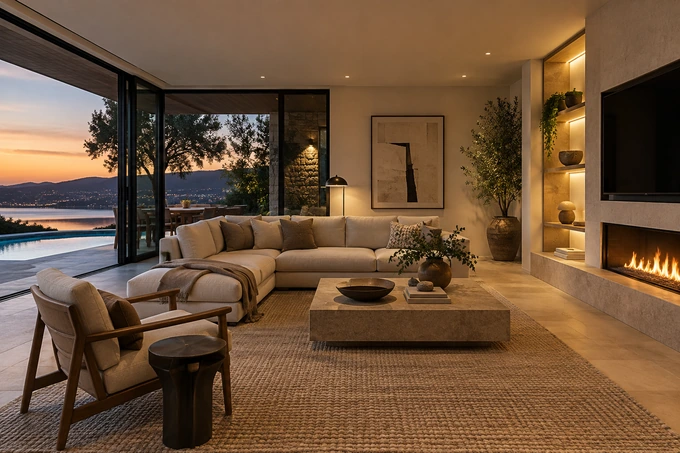
The soundtrack should support the viewing experience rather than dictate an unrelated mood.
Read the guide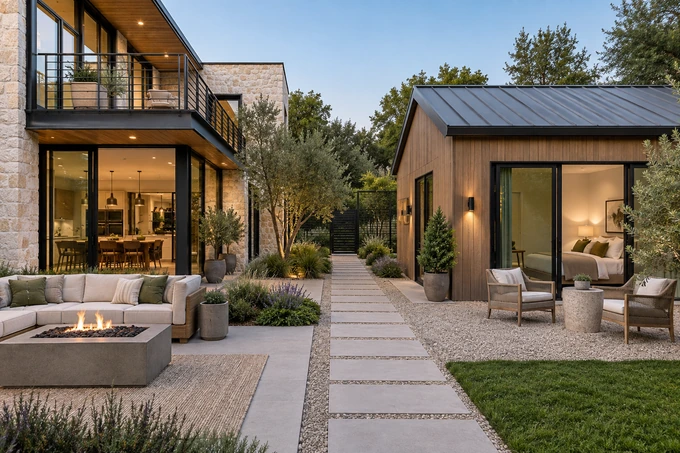
A main house, guest area and separate building may need a more specific capture plan than one continuous interior.
Read the guide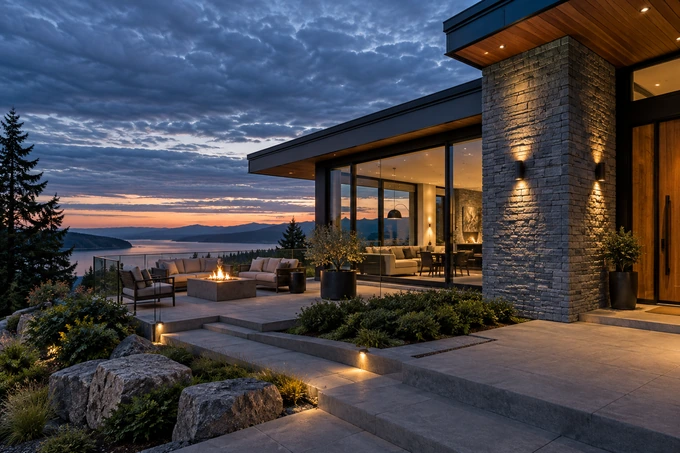
An evening appointment does not guarantee a particular sky.
Read the guide
A reel should still communicate something useful when viewed silently.
Read the guide
A design concept may show a possible treatment rather than the property’s current appearance.
Read the guide
AI B-Roll Clips provide supporting content, while an AI Property Reel is a one-minute presentation.
Read the guide
Look at the property from the approach a visitor would use.
Read the guide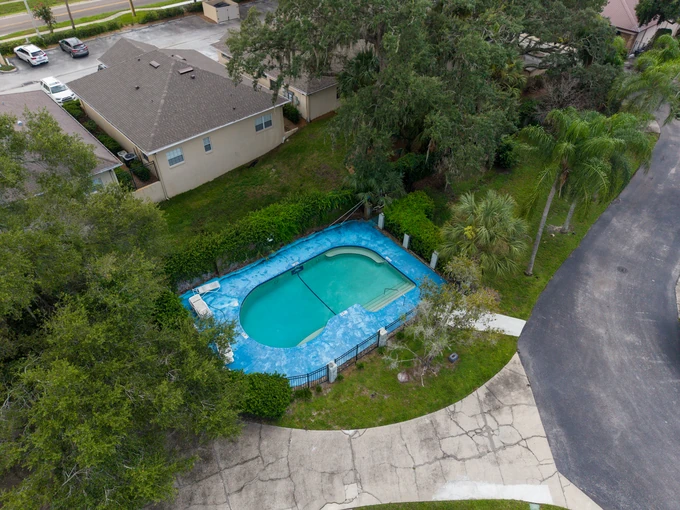
From above, loose equipment, uneven rows of chairs and objects along a pool edge can become visually prominent.
Read the guide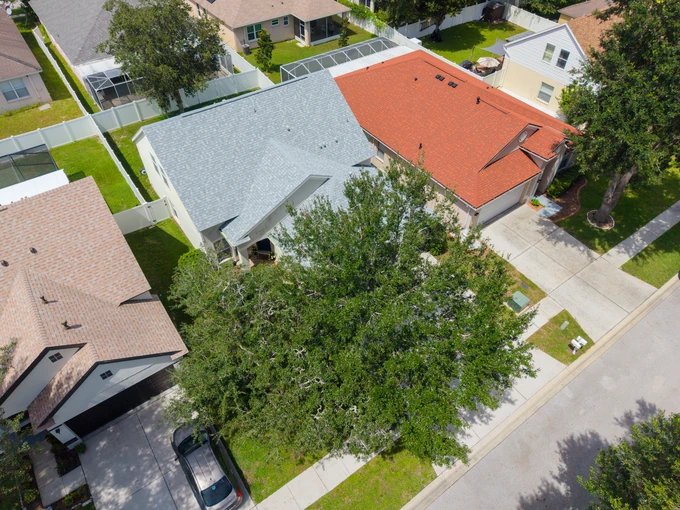
An address card should identify the listing without taking over the aerial image.
Read the guide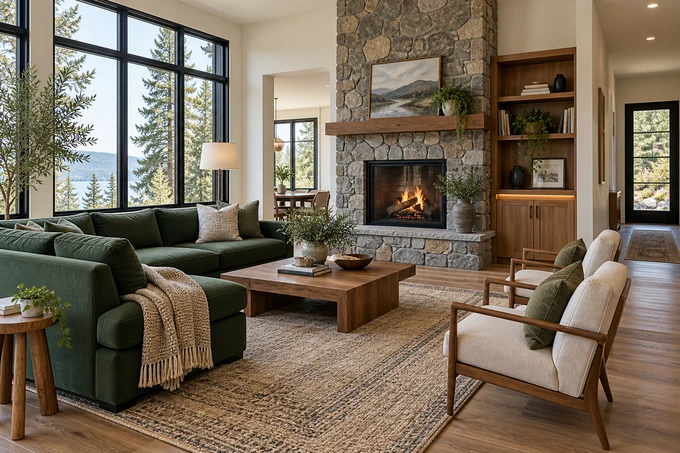
A tour session works more smoothly when the home is ready as a whole.
Read the guide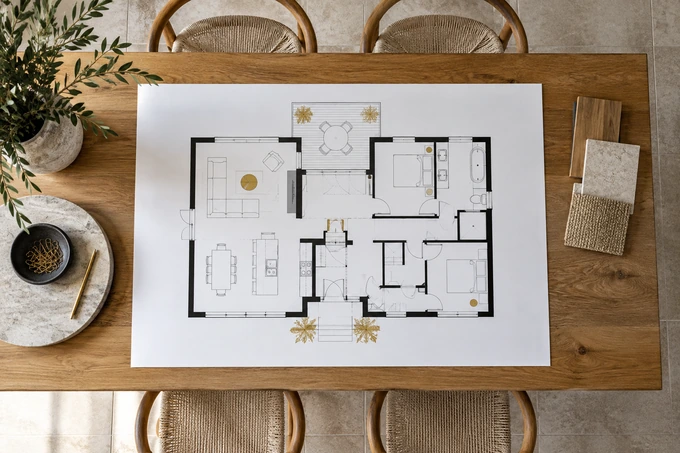
A drawing that is comfortable to read on a monitor may shrink considerably in a phone gallery.
Read the guide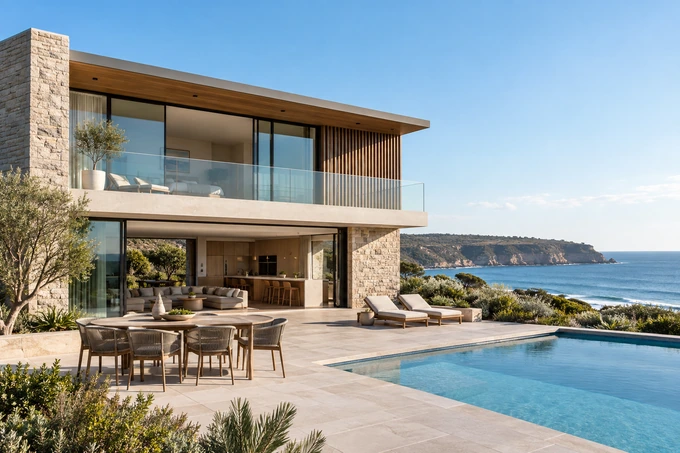
Tell AVS whether the film will appear on an agent website, in a listing system or in a presentation.
Read the guide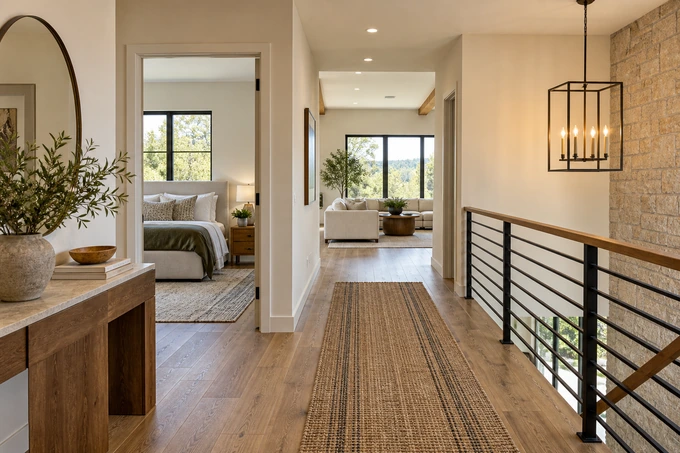
Open the tour and move through the property in a logical order.
Read the guide
Tell AVS which lighting features are intended to shape the outdoor scene.
Read the guide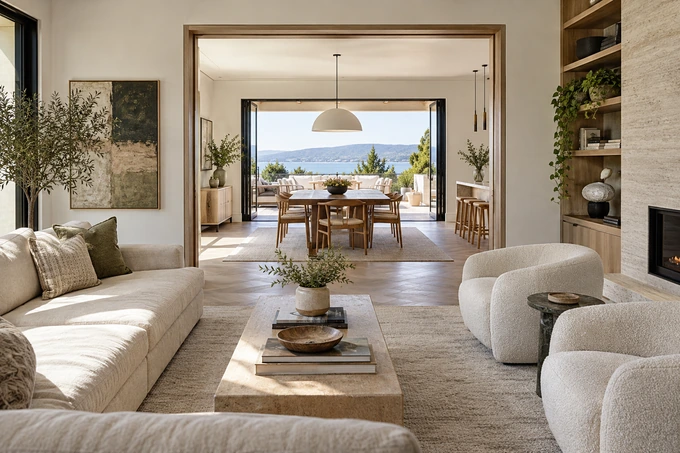
A reel can provide a short introduction suited to a quick viewing situation.
Read the guide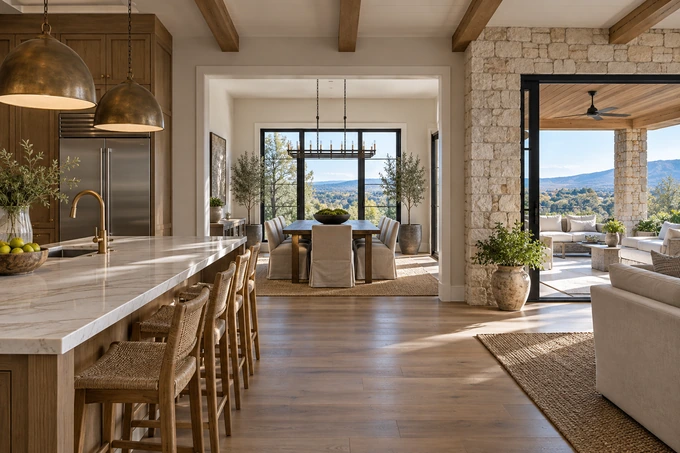
Choose the rooms or features that introduce the property most clearly.
Read the guide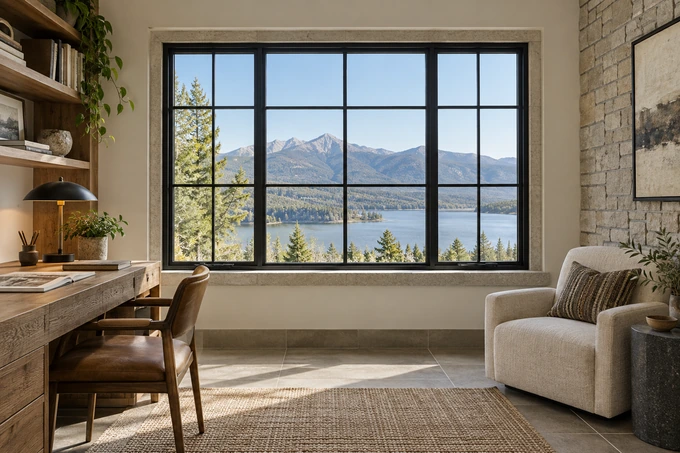
Identify fixed elements in the source photograph, such as a window corner, cabinet edge or railing.
Read the guide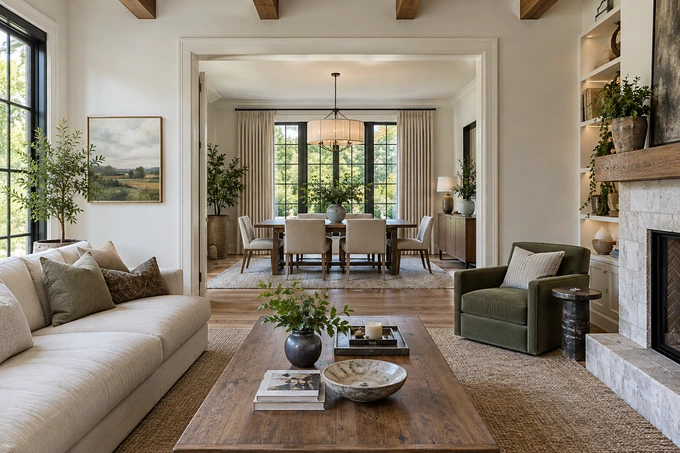
A gallery works best when the next image feels connected to the previous one.
Read the guide
Aerial work is sensitive to the conditions at the property.
Read the guide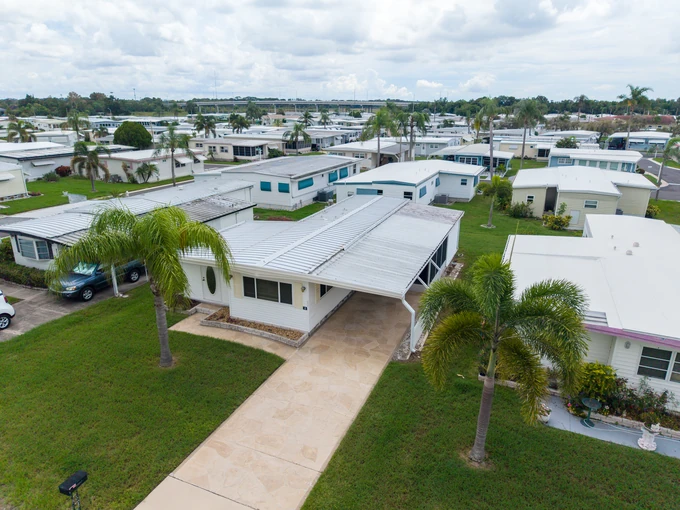
Give AVS the intended publication date and explain which deliverables are essential for launch.
Read the guide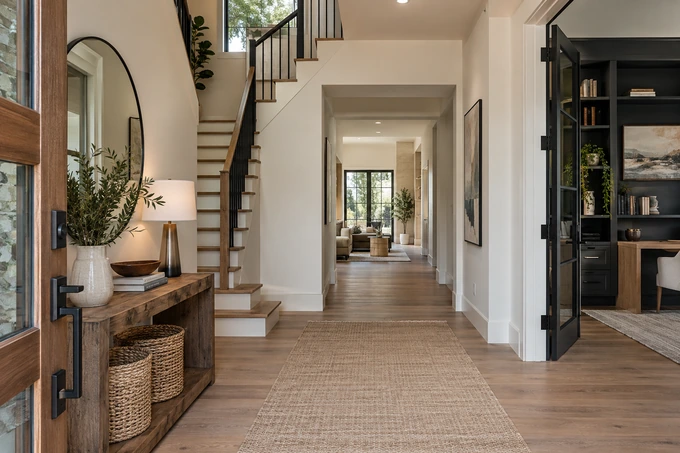
Share the property size, layout and any separate areas you want captured.
Read the guide
Tell AVS about any separate structure or guest area before the appointment.
Read the guide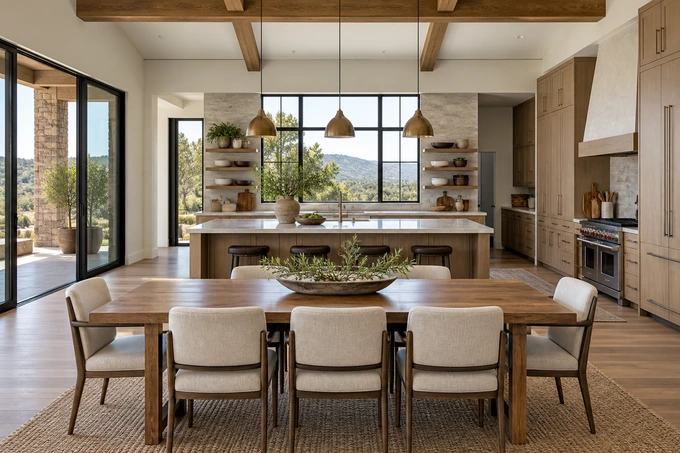
Watch the complete film without pausing.
Read the guide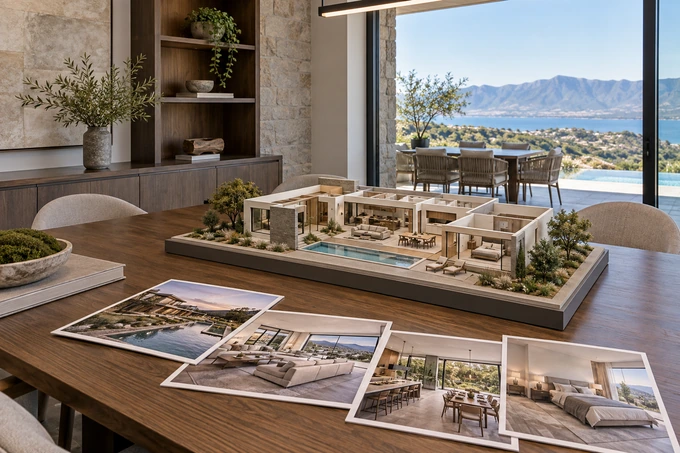
Introduce the property with a concise description and representative photographs before expecting viewers to explore a tour.
Read the guide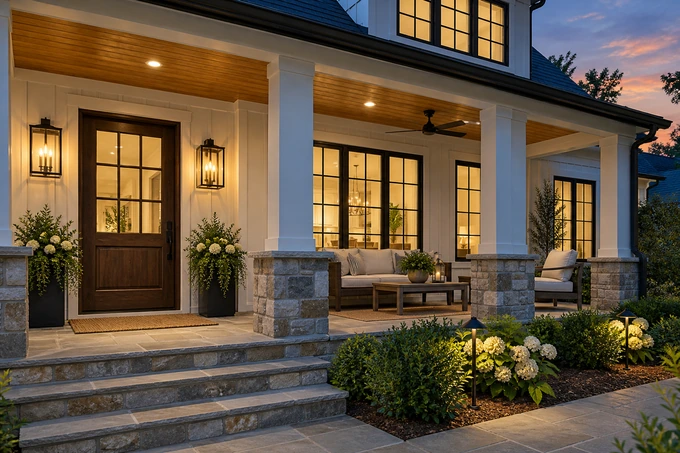
Interior clutter can appear in an exterior photograph once the rooms are illuminated.
Read the guide
The cover may be seen before the reel begins, so choose an image that makes its subject clear.
Read the guide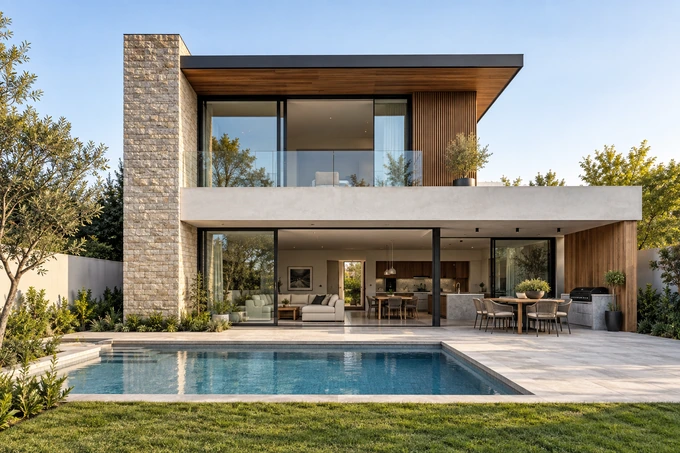
Send the correct address and any required branding information before the final edit.
Read the guide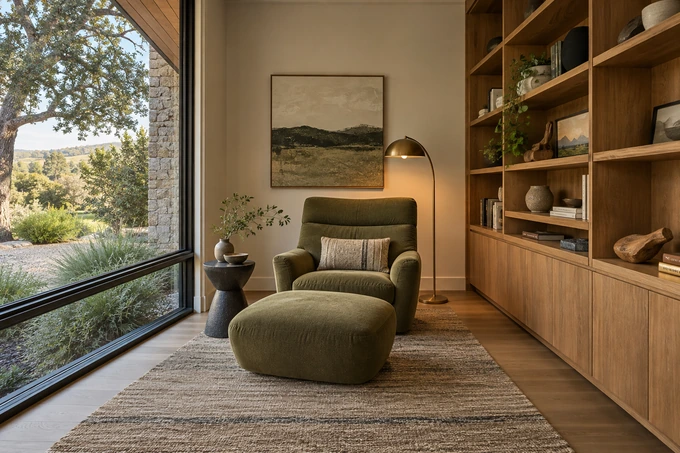
A proposed treatment is different from the existing condition of a property.
Read the guide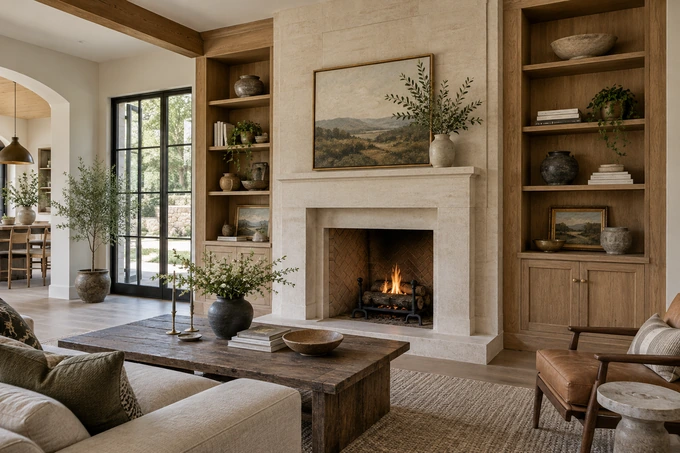
Wide photographs and detail images answer different questions.
Read the guide
Aerial photographs may also support a property brochure, presentation or website banner.
Read the guide
A thumbnail should identify the home and suggest the subject of the video.
Read the guide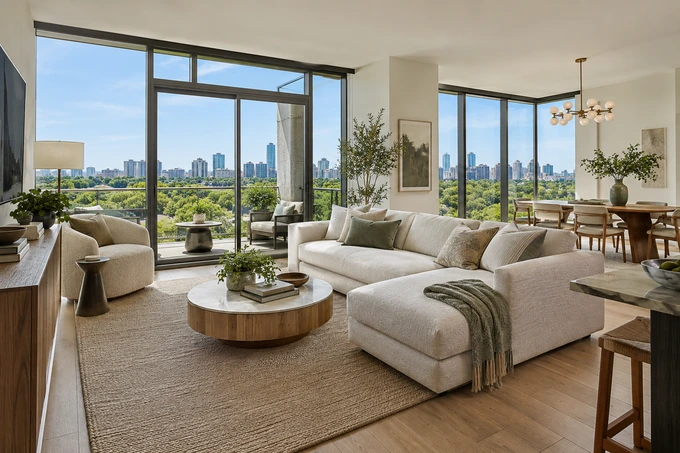
Someone researching from outside the area may want to revisit the relationship between rooms after seeing the photographs.
Read the guide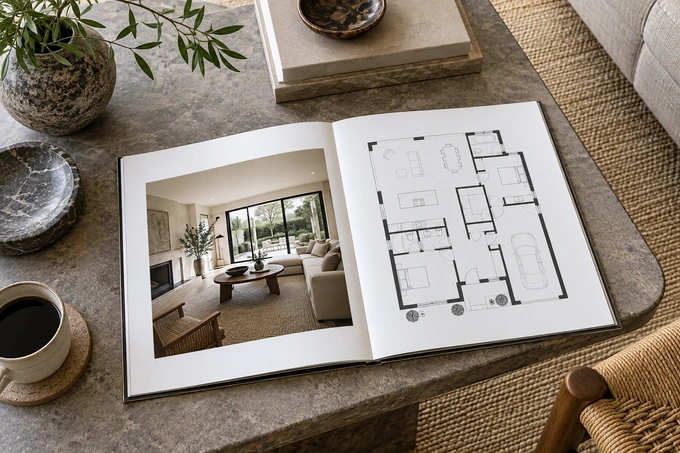
A floor plan should not become an unreadable decoration in the corner of a brochure.
Read the guide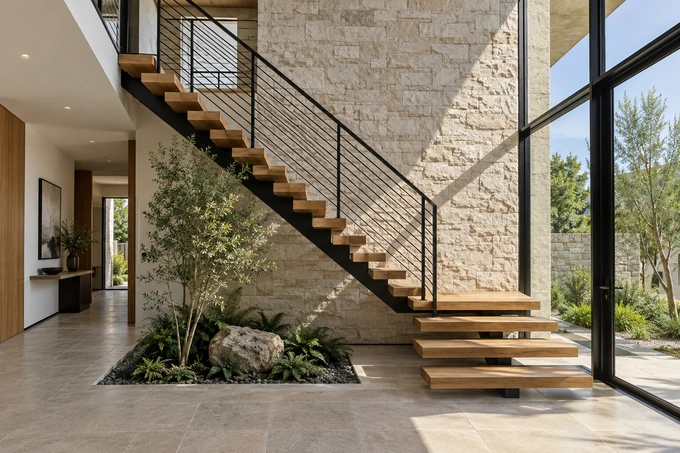
A distinctive home benefits from a brief that names its important architectural qualities.
Read the guide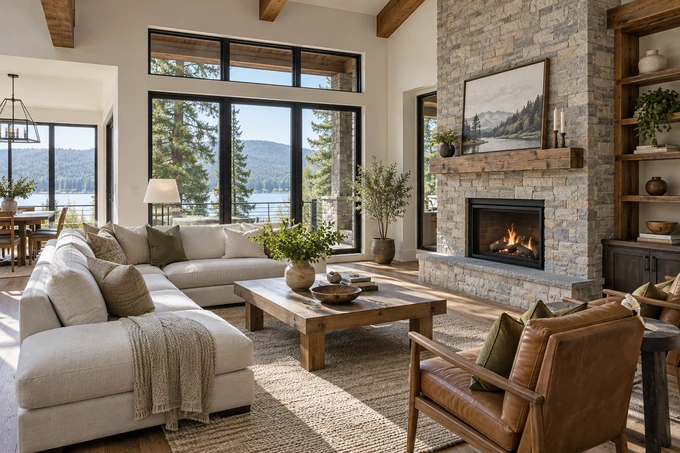
An interactive tour helps a viewer look around the areas included in capture.
Read the guide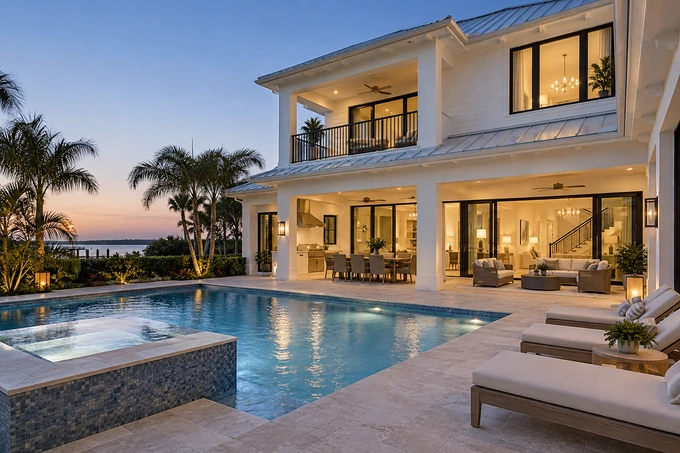
Daylight views explain the exterior and its materials clearly.
Read the guide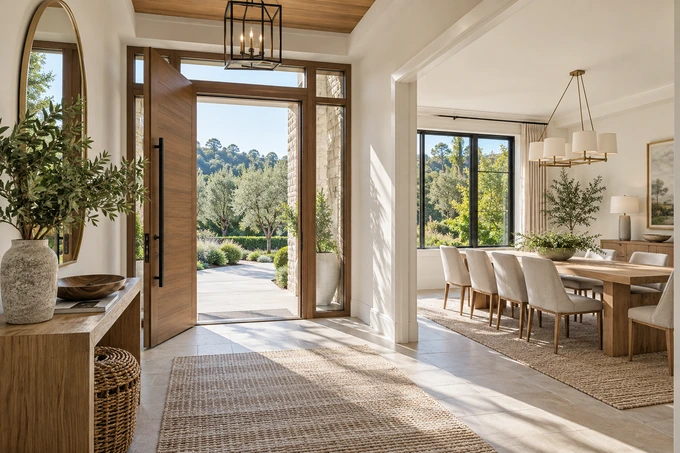
Watch the entire reel and verify all visible property information.
Read the guide
A clip should not stay merely because it is visually impressive.
Read the guide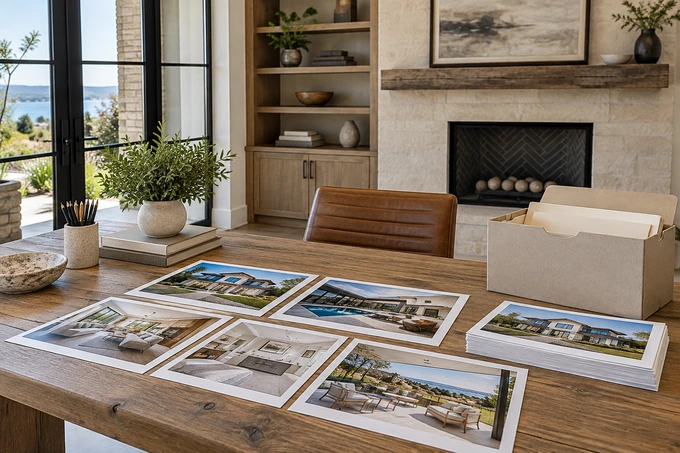
Use clear file names and keep review versions apart from material approved for publication.
Read the guideReady to plan your next listing?
Let’s Talk →